Dog Chew Toys Explained: Benefits, Types and Best Options for Puppies
If you have ever brought a new puppy home, you know the routine. One minute they are sleeping like an absolute angel on your lap, and the next, they are aggressively gnawing on your favourite pair of leather shoes, the corner of the dry-wall, or your bare ankles.
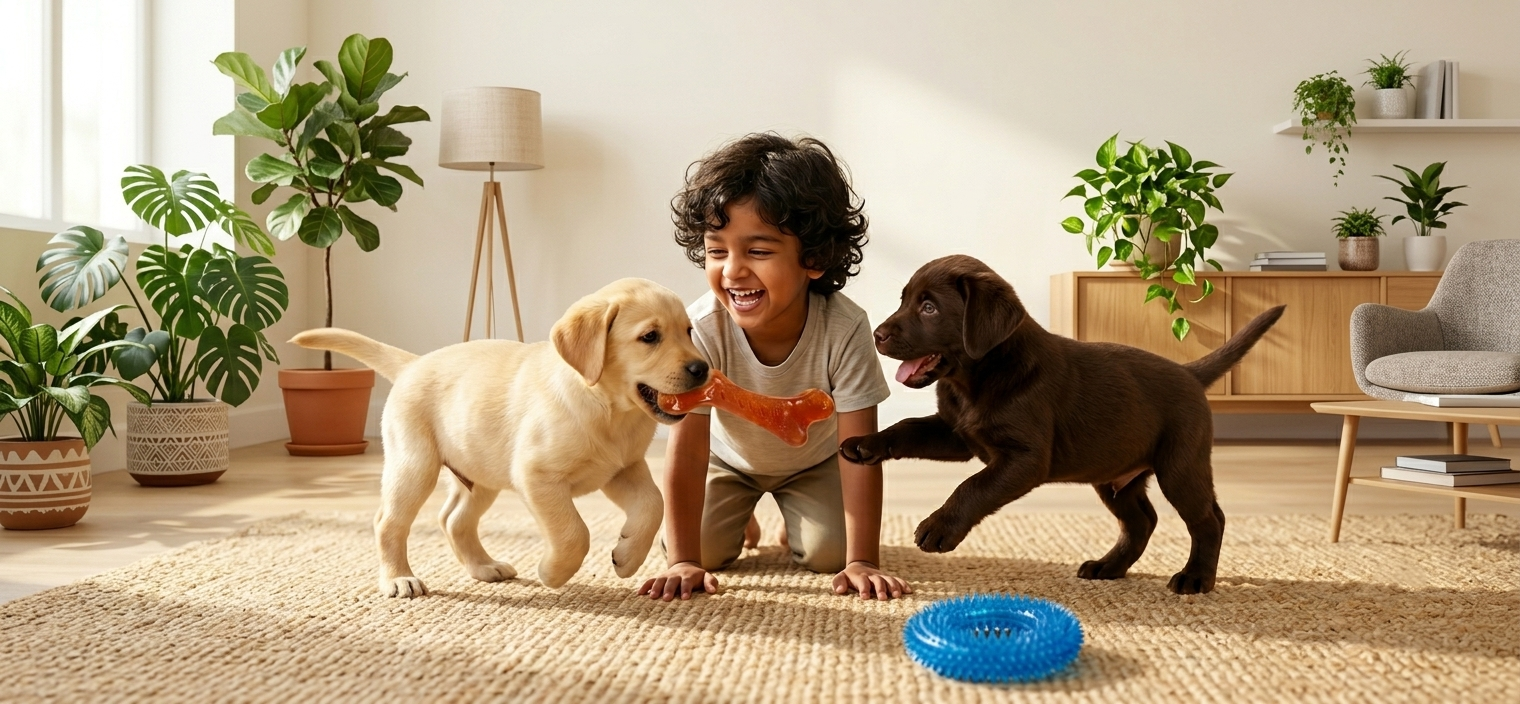
For puppies, chewing isn’t bad behaviour, it is a biological necessity. As a pet parent, the secret isn’t getting them to stop chewing, but redirecting that energy toward the right things.
Here is everything you need to know about puppy chew toys, why your pup needs them, and how to pick the absolute best options for your pet dog.
Why Do Puppies Chew So Much? Let’s Decode The Benefits!
Before looking at the toys themselves, it helps to understand why your puppy is so obsessed with putting everything in their mouth. Chewing serves several critical purposes for a growing dog.
1. Relief from Teething Pain
Just like human babies, puppies lose their baby teeth to make room for an adult set. This process usually happens between three and six months of age. It can cause significant discomfort, soreness, and inflammation in their gums. Puppy Teething Toys apply pressure to the gums, which then act as a natural numbing agent and relieve that constant ache.
2. Mental Stimulation and Boredom Busting
Puppies have boundless energy, and their minds are like sponges. When they get bored, they look for ways to entertain themselves. Chewing is a highly engaging, self-soothing activity. It helps them relax and beat boredom when you are busy.
3. Stress and Anxiety Relief
Moving to a new home, meeting new people, or spending time alone in a crate can be overwhelming for a young pup. Chewing acts as a natural stress-reliever. If you notice your puppy chewing frantically when guests arrive or during a thunderstorm, they are likely trying to calm themselves down.
4. Early Dental Hygiene
While it doesn’t replace regular brushing, the mechanical action of scraping their teeth against a textured chew toy helps rub away soft plaque and tartar buildup, setting them up for healthier adult teeth.
The Different Types of Puppy Chew Toys
Walk into any pet supply store, and you will see an overwhelming wall of colourful toys. To make things simpler, puppy chew toys generally fall into four main categories.
- Soft Rubber Toys: These are the best toys for teething puppies. Durable rubber toys have enough ‘give’ to massage sore gums without breaking or damaging delicate baby teeth.
- Fabric and Rope Toys: Rope Toys for Dogs are great for gentle chewers and interactive games like a light tug-of-war. The texture of twisted rope can act like dental floss for your pup’s teeth.
- Plush Toys: Plush Toys are wonderful for comfort and snuggling, but they are not built for heavy chewing.
How to Choose the Safest Options for Your Puppy
Not all chew toys are created equal, and a puppy’s mouth is much more fragile than an adult dog’s. Keep these rules of thumb in mind when shopping:
The ‘Thumbnail Test’
Before buying a hard toy (like nylon or hard plastic), press your thumbnail firmly into the surface. If the toy gives slightly and leaves a tiny indentation, it is safe for a puppy. If it is hard as a rock and has absolutely no give, skip it. Toys that are too hard can fracture a puppy’s brittle baby teeth.
Size Matters
Always choose a toy that matches your puppy’s current size, not the size they will be when they grow up. A toy that is too small can easily become a choking hazard or be swallowed, causing a dangerous intestinal blockage. If a toy can fit entirely behind your puppy’s back teeth, it is too small.
Steer Clear of Dangerous Materials
Avoid giving your puppy cooked bones, as they can splinter and tear their digestive tract. Similarly, traditional rawhide is highly discouraged because it doesn’t break down easily in a puppy’s stomach and poses a severe choking and blockage risk.
Keep It Fresh: Toy Rotation
Puppies get bored quickly. If they see the same three toys on the floor every single day, they will eventually ignore them and go back to hunting for your shoes.
Try keeping a stash of six to eight safe Chew Toys, but only leave two or three out at a time. Every few days, swap them out for ‘new’ ones from the stash. Your puppy will be thrilled to see an old toy return, and it keeps their curiosity channeled exactly where it belongs.
Stronger Toys, Longer Joys!