Dog Breed
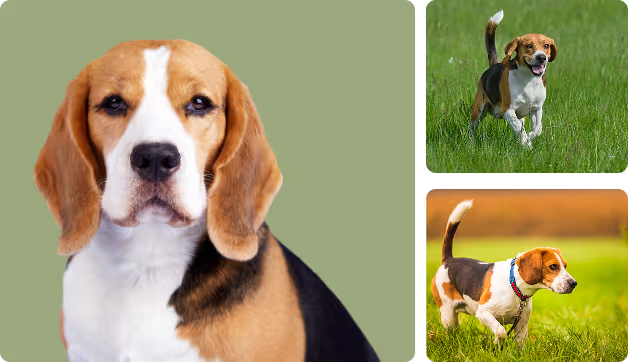
Beagle

Size
Small to MediumShedding
Moderate, year-roundLife Expectancy
10–15 yearsCoat Type
Short, dense, weather-resistantTemperament
Friendly, curious, merryWeight
20–30 pounds (9–13.6 kg)Height
Up to 13 inches, 13–15 inchesSuitable For
Families, active individuals, multi-pet homes
CuriousFriendlyMerry
Beagle Nutrition

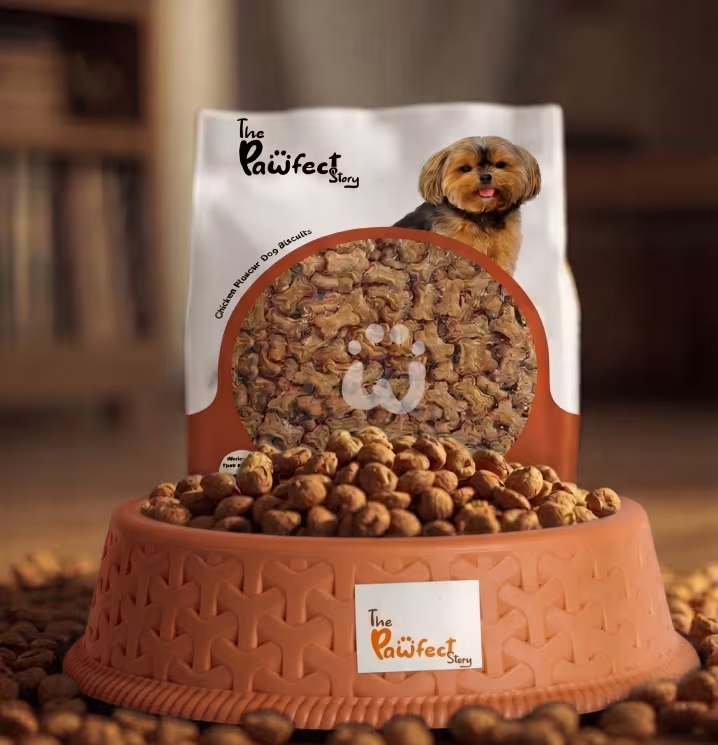
Pawfect Nutrition for Active Pups
Support their adventurous spirit with protein-packed ingredients and precise portions to maintain a lean, healthy weight.
Key Nutritional Needs
- • High-Quality Lean Protein to support tissue repair and keep their metabolism active
- • Balanced portion control and limited high-calorie treats to prevent joint strain and metabolic issues
- • Omega-3 and Omega-6 fatty acids to maintain skin barrier health and a shiny, healthy coat
- • Diets supplemented with Glucosamine and Chondroitin help support long-term cartilage health and mobility
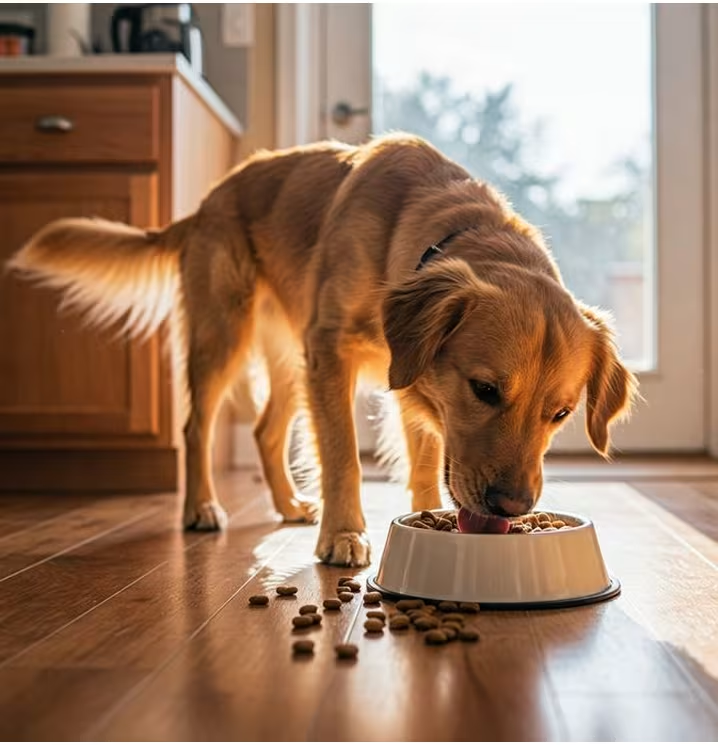
Feeding Guidelines
Beagle Grooming
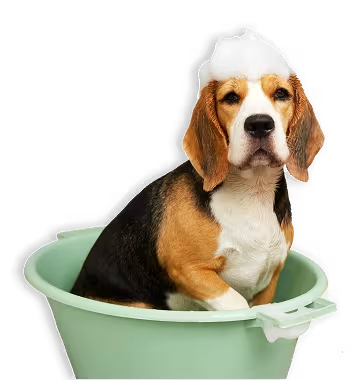
Effortless Grooming, Happy Pup
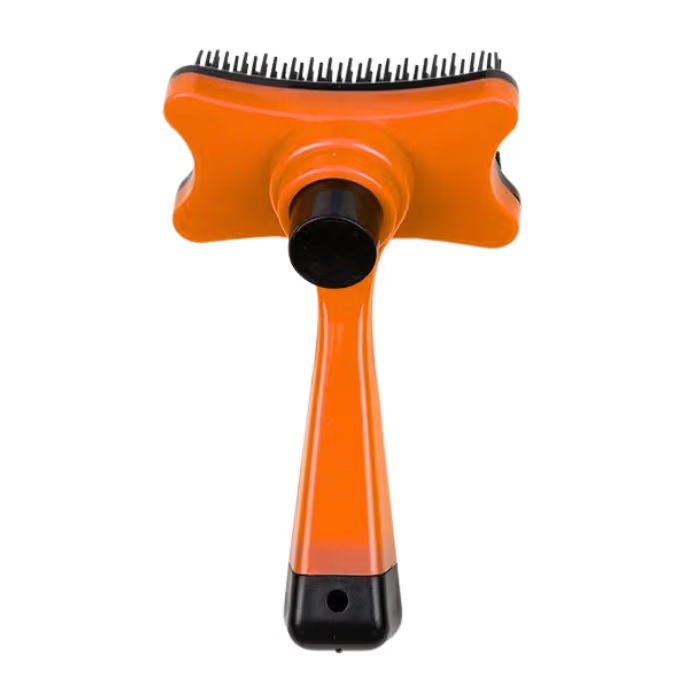
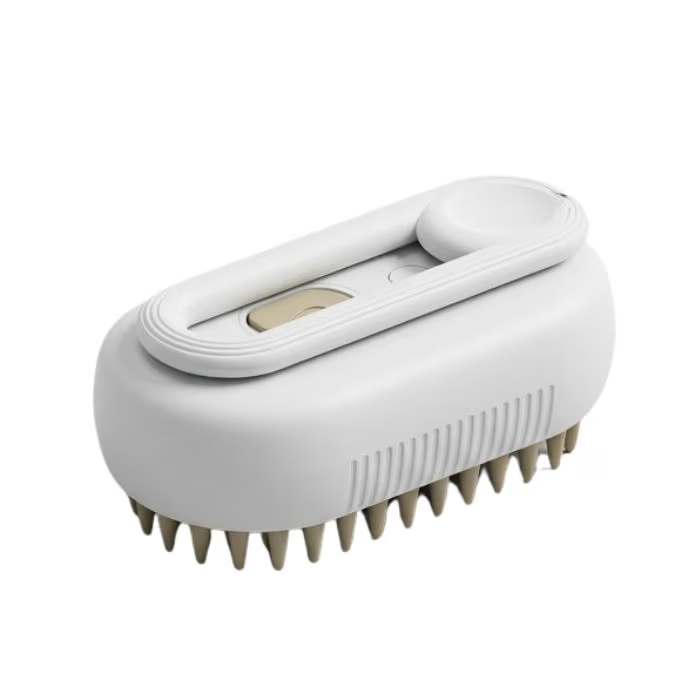
Regular brushing is essential for Beagles to manage their moderate shedding and keep their sleek, short-haired coat healthy and clean.
Fur Care & Grooming
- • Brush weekly with a bristle brush for a sleek, glossy coat.
- • Limit baths to once every few months to preserve the natural oils and prevent skin dryness.
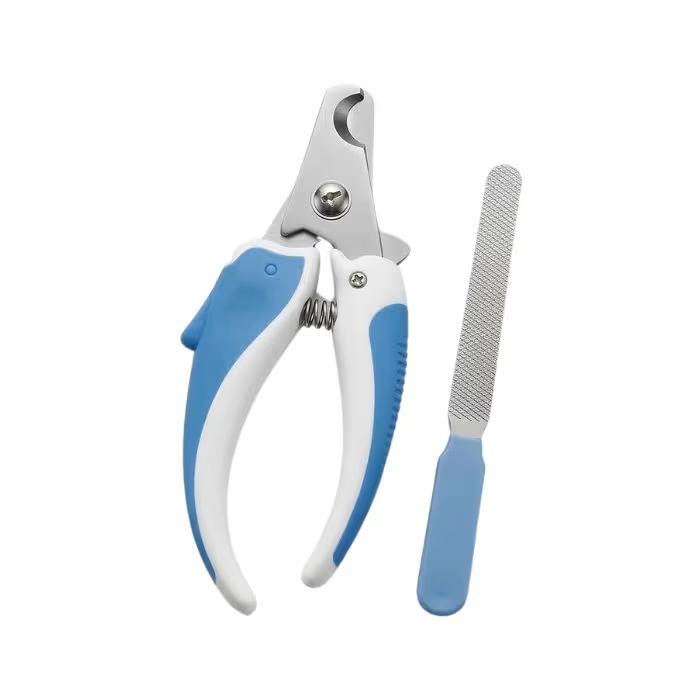
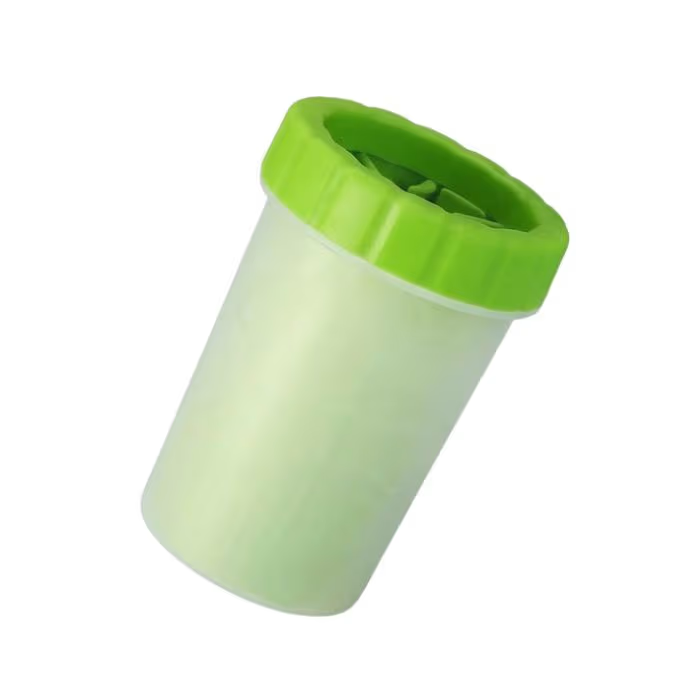
Trim & Hygiene
- • Trim nails monthly for comfortable, healthy movement.
- • Keep paws clean and moisturized to prevent cracking.
Training & Exercise
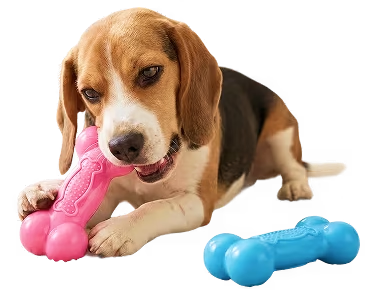
Training with Treats & Patience
Beagles thrive with at least an hour of daily activity involving scent-based games or brisk walks to satisfy their natural tracking instincts and prevent boredom.
Skill Building
- • Swap treats for tug or fetch to reinforce good behaviour.
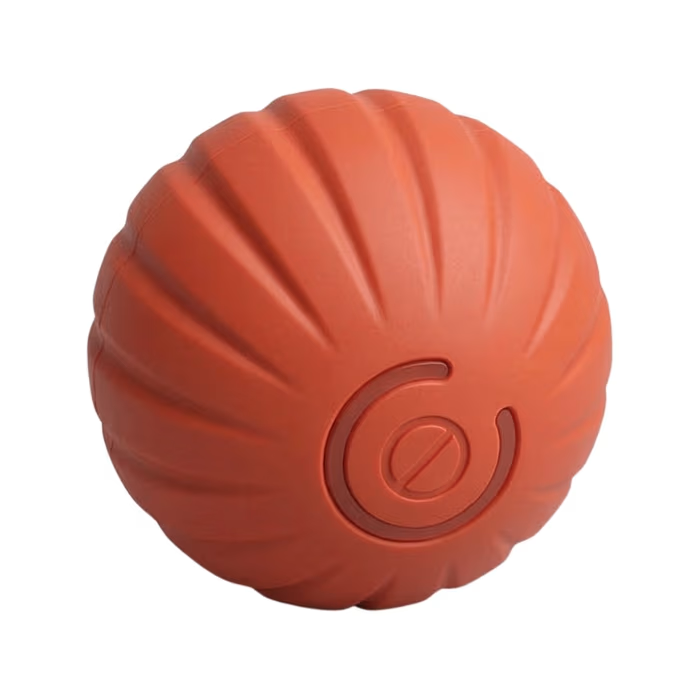
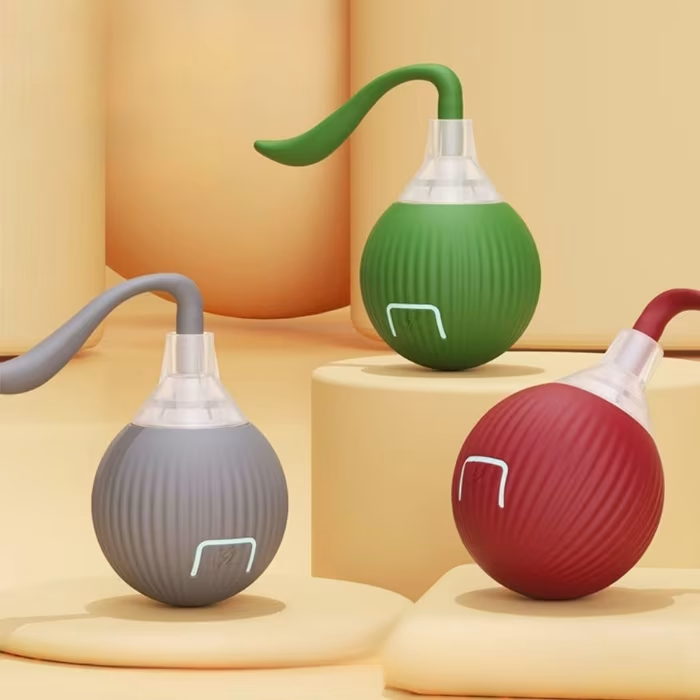
- • Use puzzle toys to challenge their focus and scenting instincts.
Beagle Puppy Care
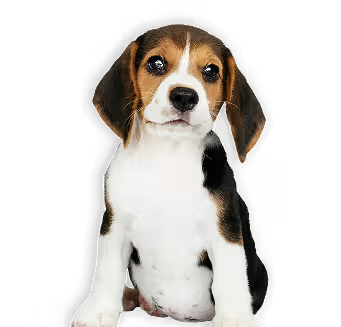
Puppy Care Made Simple
Start with vet visits, vaccinations, and deworming on schedule. Socialise your puppy early with people, sounds, and other animals for a confident, happy dog.
Beagle Beginnings
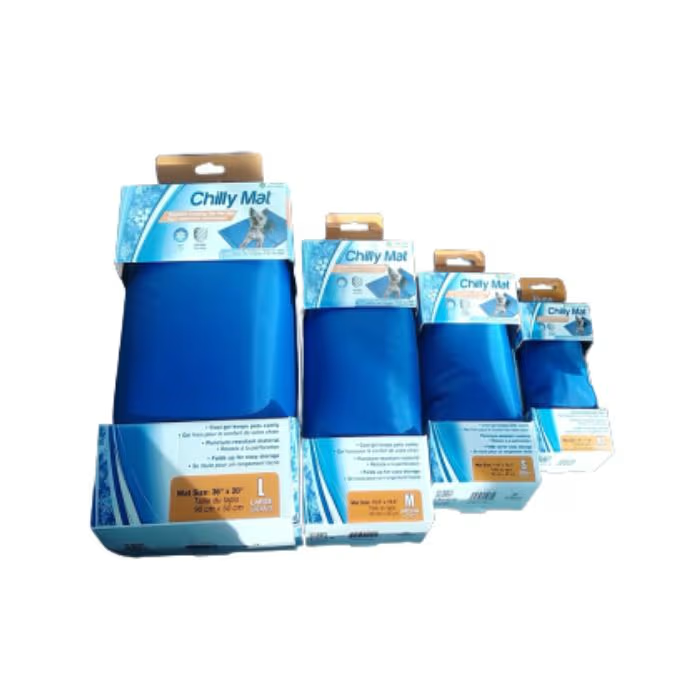
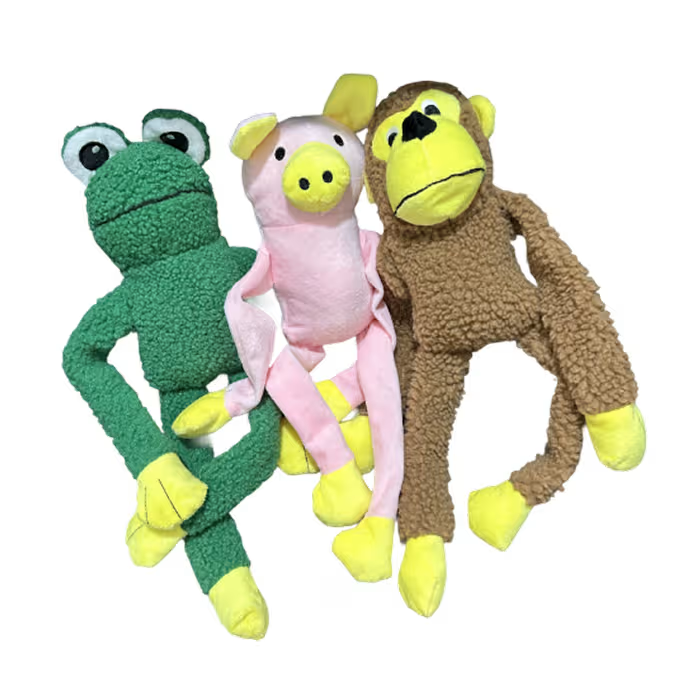
- • Puppy-proof rooms to keep curious scents and chewers safe.
- • Offer durable rubber toys to save furniture & squeaky toys to engage tracking instincts.
- • Set fixed times for meals, potty and play to build confidence.
Beagle Lifestyle
Lifestyle Full of Play & Purpose
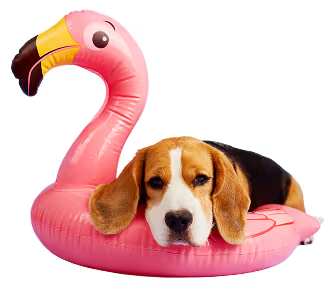
Beagles thrive in active households where they are treated as true family members, requiring a balance of rigorous daily exercise and frequent social interaction.
Beagle Comforts
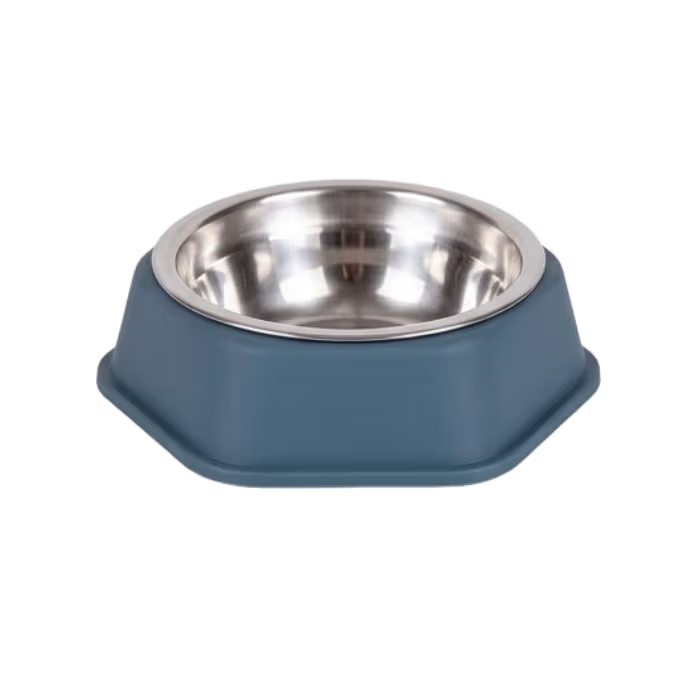
- • Use heavy, non-slip bowls to handle vigorous eaters.
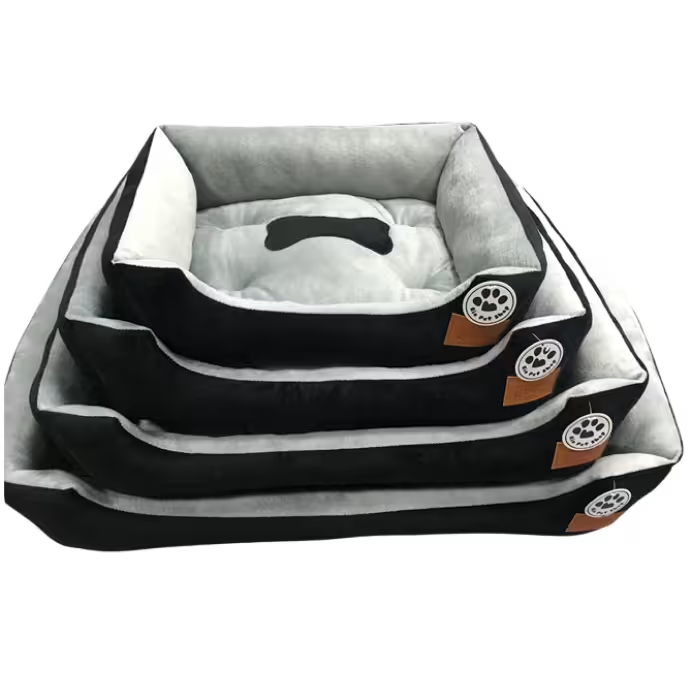
- • Provide a cozy bed for comfort and joint support.
Fun Trivia: Did You Know?
- 🐾Beagles have approximately 225 million scent receptors, making their sense of smell nearly 50 times more powerful than a human's.
- 🐾Their long, floppy ears actually serve a functional purpose by sweeping scents upward toward their nose as they sniff the ground.
- 🐾Every purebred Beagle has a white-tipped tail, a trait selectively bred so hunters could easily spot the dogs in tall grass.
Frequently Asked Questions
1. How much exercise does a Beagle need?+
Beagles are high-energy hounds that require at least 60 to 90 minutes of active exercise and mental stimulation daily to prevent boredom.
2. Are Beagles easy to train?+
They are intelligent but independent and scent-driven, so they require patient, reward-based training to overcome their natural stubbornness.
3. Do they bark a lot?+
Yes, Beagles are known for their distinct ‘baying’ and will howl or bark frequently if they catch an interesting scent or feel lonely.
4. Can Beagles be left alone?+
Not for long periods. They are highly social pack animals and may develop separation anxiety or destructive habits if left solo for too many hours.