Dog Breed
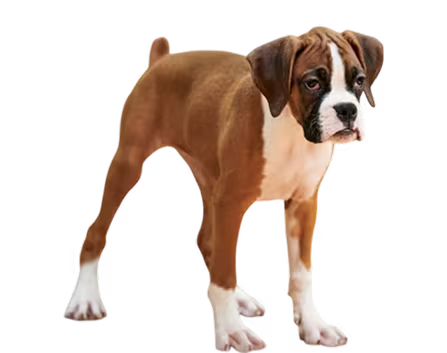
Boxer

Size
Medium to LargeShedding
ModerateLife Expectancy
10–12 yearsCoat Type
Short, smoothTemperament
Energetic, loyal, protectiveWeight
29–32 kg (males), 25–29 kg (females)Weather Tolerance
Handles moderate climates, sensitive to extremesSuitable For
Active families, experienced dog owners
IntelligentAffectionateMajestic
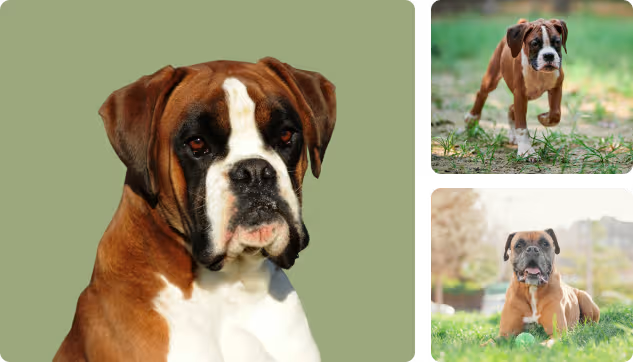
Boxer Nutrition

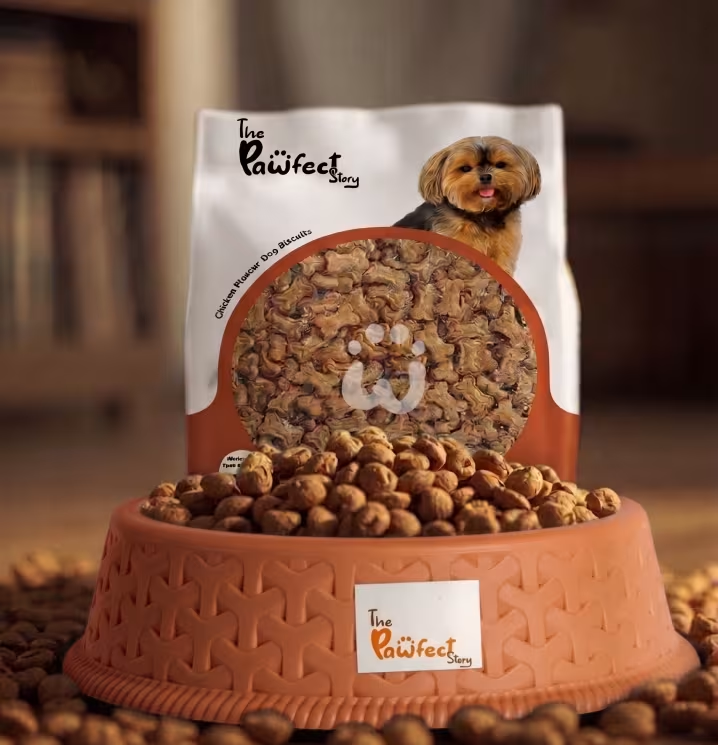
Pawfect Nutrition for Active Pups
Support their adventurous spirit with protein-packed ingredients and precise portions to maintain a lean, healthy weight.
Key Nutritional Needs
- • High-quality lean protein to keep their metabolism active
- • Balanced portion control and limited high-calorie treats to prevent joint strain and metabolic issues
- • Omega-3 and Omega-6 fatty acids to maintain skin barrier health
- • Supplementary Diets to support long-term cartilage health and mobility
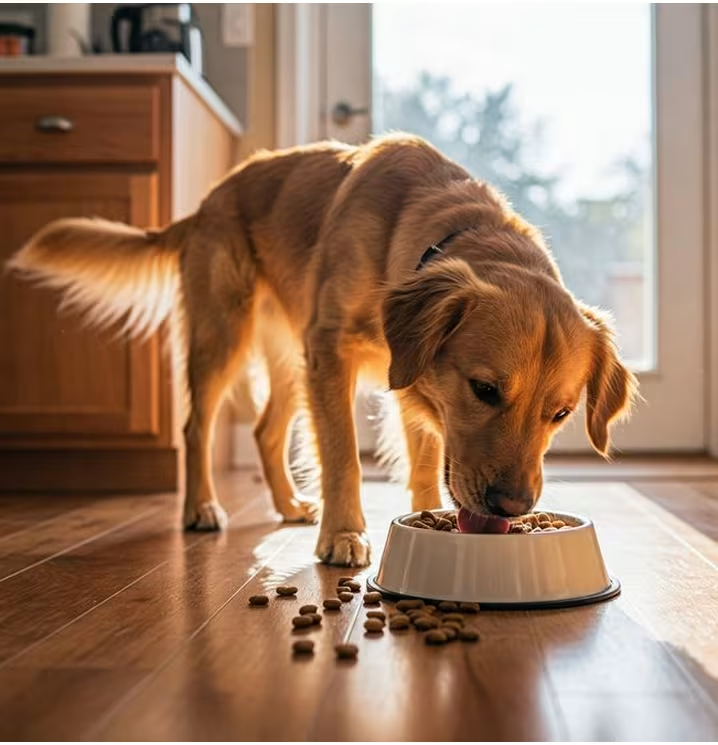
Feeding Guidelines
Boxer Grooming
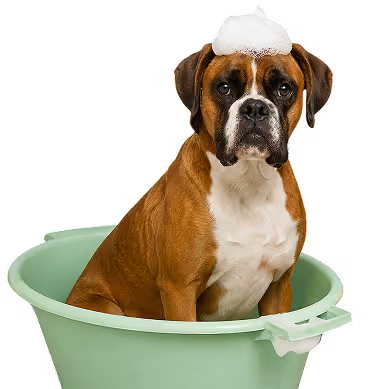
Effortless Grooming, Happy Pup
Regular brushing is essential for Boxers to manage their moderate shedding and keep their sleek, short-haired coat healthy and clean.
Coat & Shedding Management
- • Short-Coat Care: Brush your Boxer at least twice a week to remove loose hair from their smooth coat
- • Preserving Natural Oils: Limit baths to once every few months to preserve the natural oils and prevent skin dryness
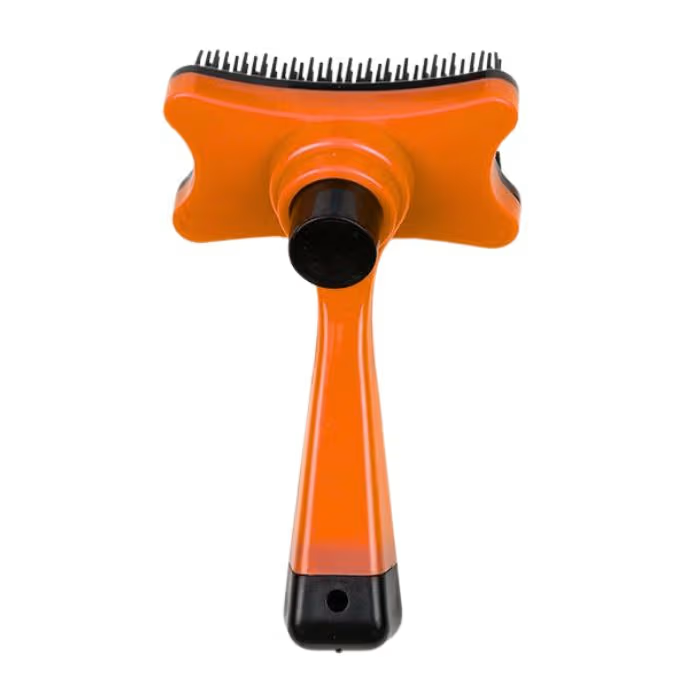
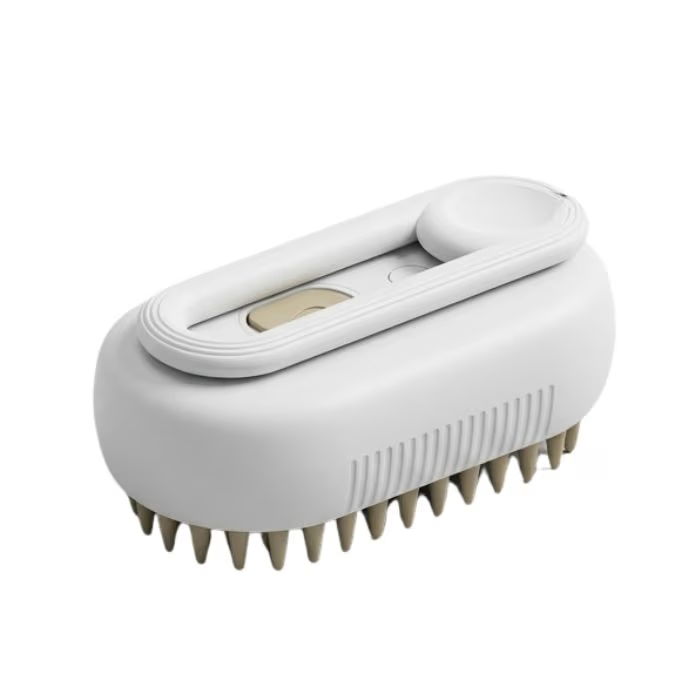
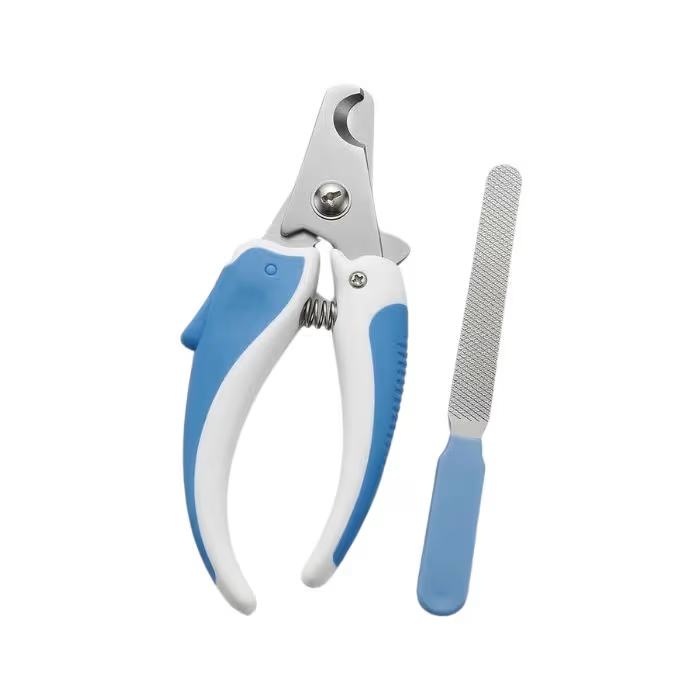
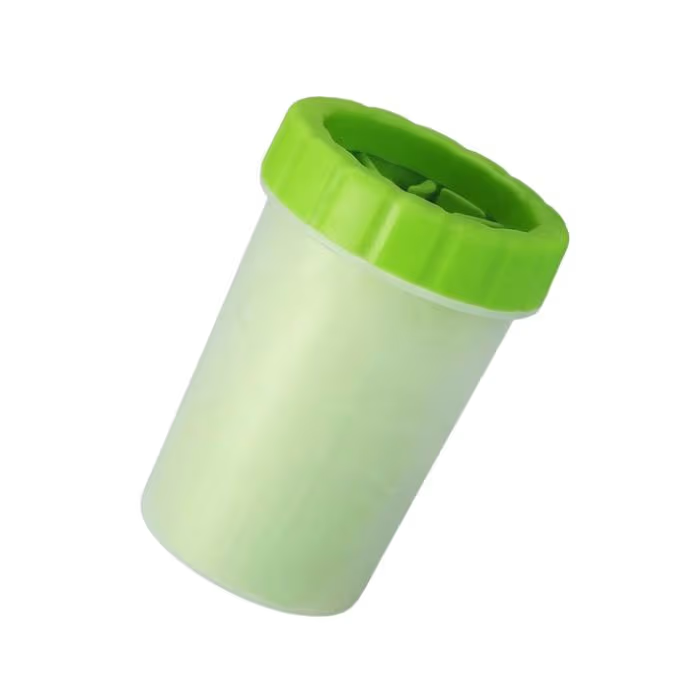
Trim & Hygiene
- • Keep nails trimmed short to ensure proper paw alignment and prevent discomfort during jumping or running
- • Perform weekly checks and cleanings to prevent infections, alongside regular dental brushing to combat plaque buildup
Training & Exercise
Training with Treats & Patience
Boxers are highly food-motivated and eager to please. Daily physical activity is non-negotiable to burn off their high energy and maintain a healthy weight.
Skill Building
- • Use obstacle courses to engage their athletic build and natural coordination
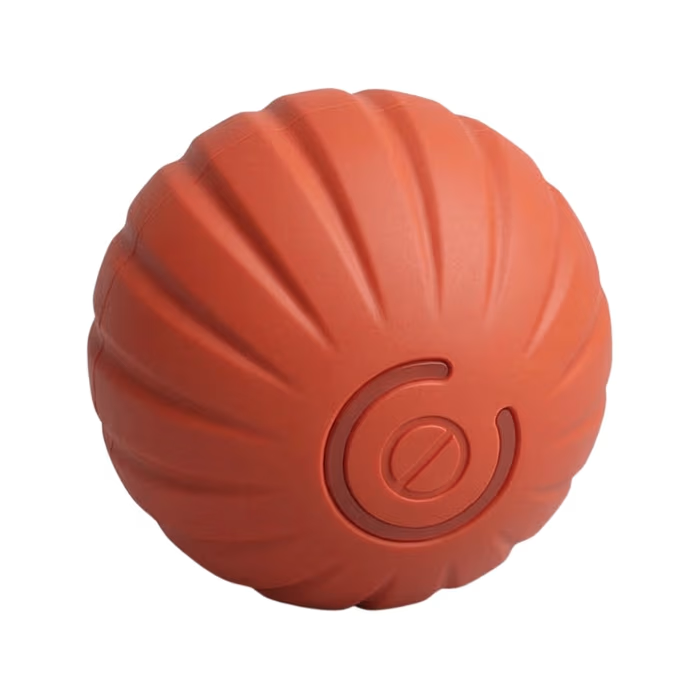
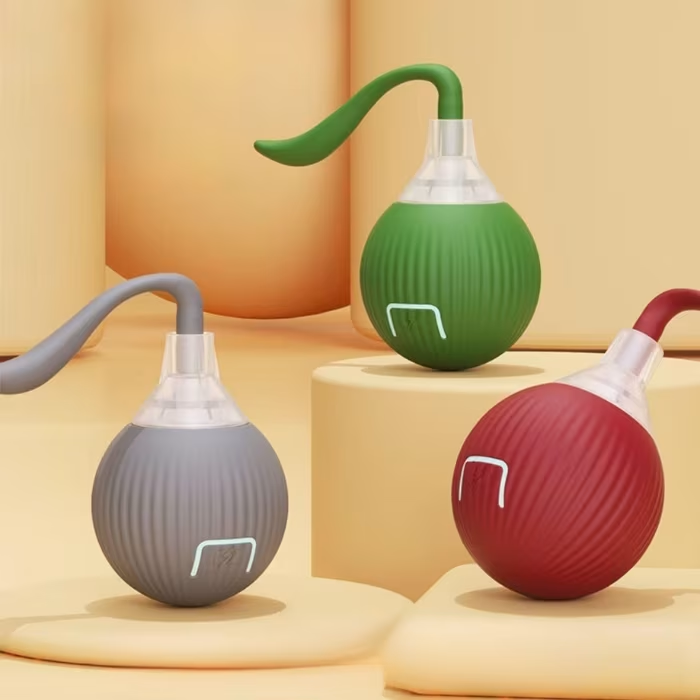
- • Durable puzzle toys keep their minds sharp and prevent destructive chewing at home
Puppy Care
Puppy Care Made Simple
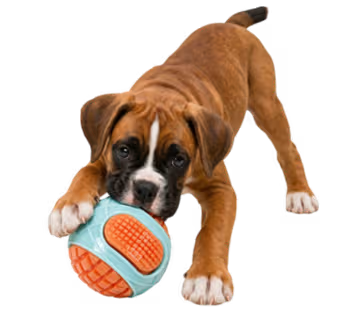
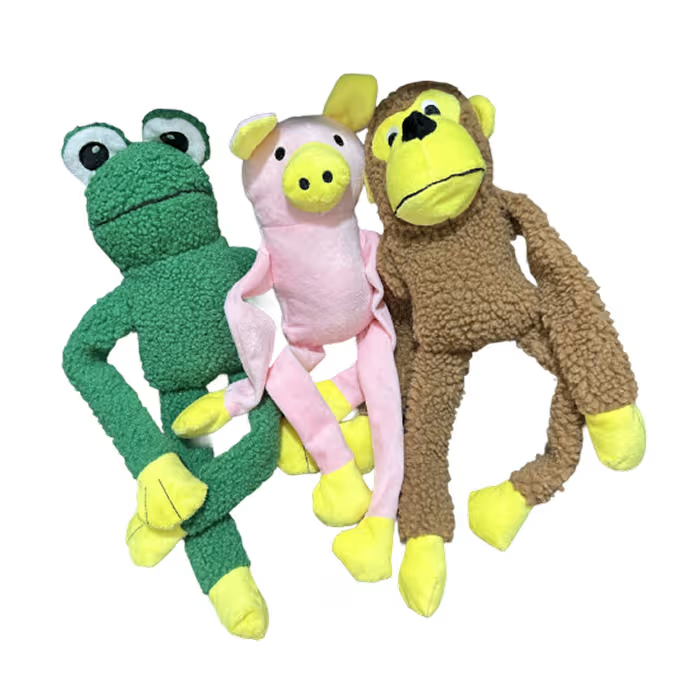
Start with vet visits, vaccinations, and deworming on schedule. Socialise your puppy early with people, sounds, and other animals for a confident, happy dog. Safe teething toys for your puppy’s teething phase.
Boxer Beginnings
- • Safe teething toys for your puppy’s teething phase
- • Plush toys or softer rubber toys are essential for your puppy’s happy playtime
Boxer Lifestyle
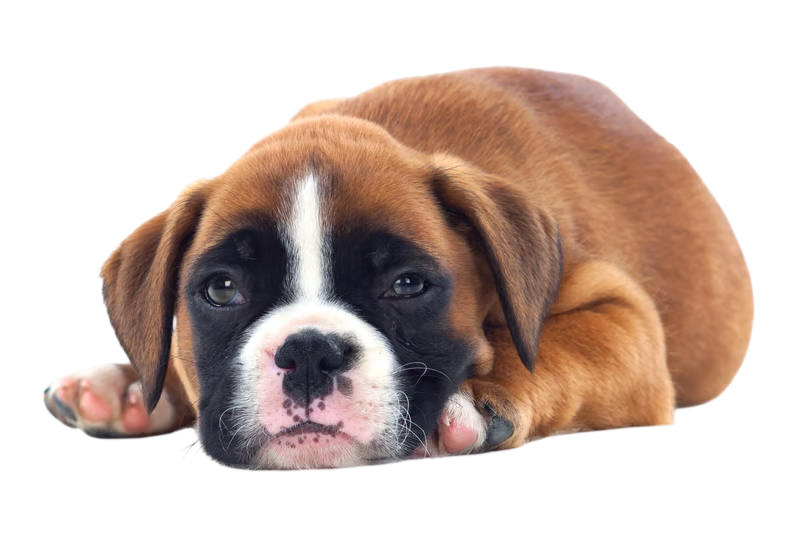
Lifestyle Full of Play & Purpose
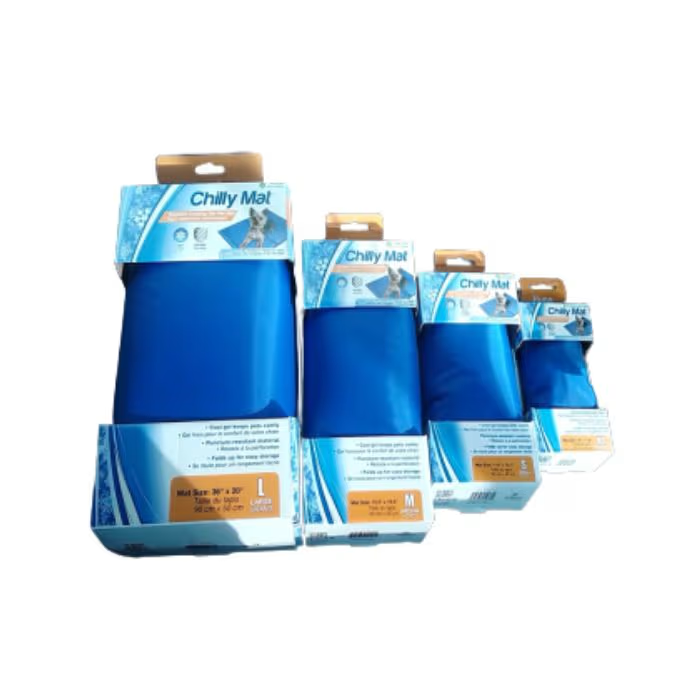
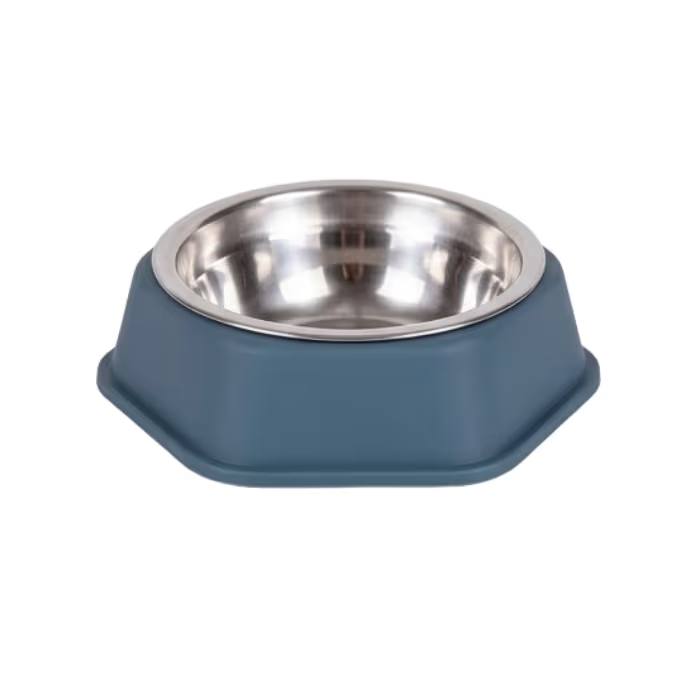
Cooling mats or elevated beds for summer months as Boxers can be sensitive to heat. Weather-resistant feeders ideal for both indoor and outdoor feeding.
Boxer Comfort
- • A high-quality nylon or leather flat collar with a secure ID tag is ideal for daily wear
- • Use a standard 4 to 6 foot leash made of durable materials to maintain control during high-energy outings
Fun Trivia: Did You Know?
- 🐾Boxers are famously named for the way they use their front paws during play.
- 🐾A Boxer named Brandy holds the Guinness World Record for the longest tongue on a dog. Her tongue measured a staggering 43 cm (17 inches) long!
- 🐾About 20% to 25% of Boxers are born white, but they aren't albinos. They simply have white coats due to their genetics.
Frequently Asked Questions
1. Are Boxers easy to train?+
Yes, they are highly intelligent and eager to please, though their playful stubbornness requires consistent, positive reinforcement.
2. How much exercise do they need?+
They are high-energy dogs that require at least one to two hours of vigorous daily activity, such as long walks or active play.
3. Are they good family dogs?+
Absolutely. Boxers are famous for their patient, ‘clownish’ nature and tend to be exceptionally protective and affectionate with children.
4. Do they have many health issues?+
They are prone to certain conditions like hip dysplasia and heart issues, so regular vet check-ups and a healthy diet are essential.