Dog Breed
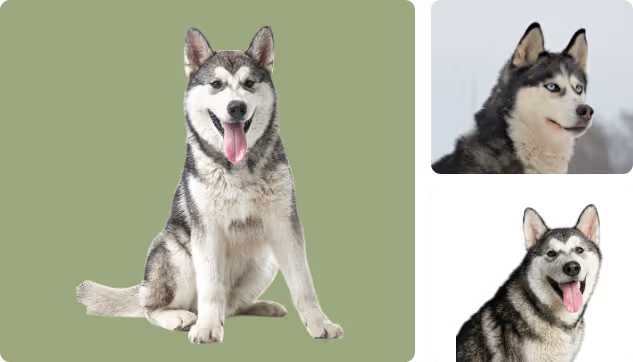
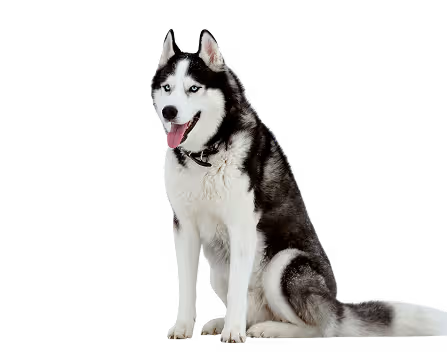
Husky

Size
MediumShedding
Heavy, seasonalLife Expectancy
12–14 yearsCoat Type
Dense double coatTemperament
Energetic, friendly, independentWeight
Male: 20–27 kg, Female: 16–23 kgWeather Tolerance
Excellent for cold climates; heat-sensitivesSuitable For
Active homes, families with space, colder areas
LoyalOutgoingMischievous
Husky Nutrition

Pawfect Nutrition for Active Pups
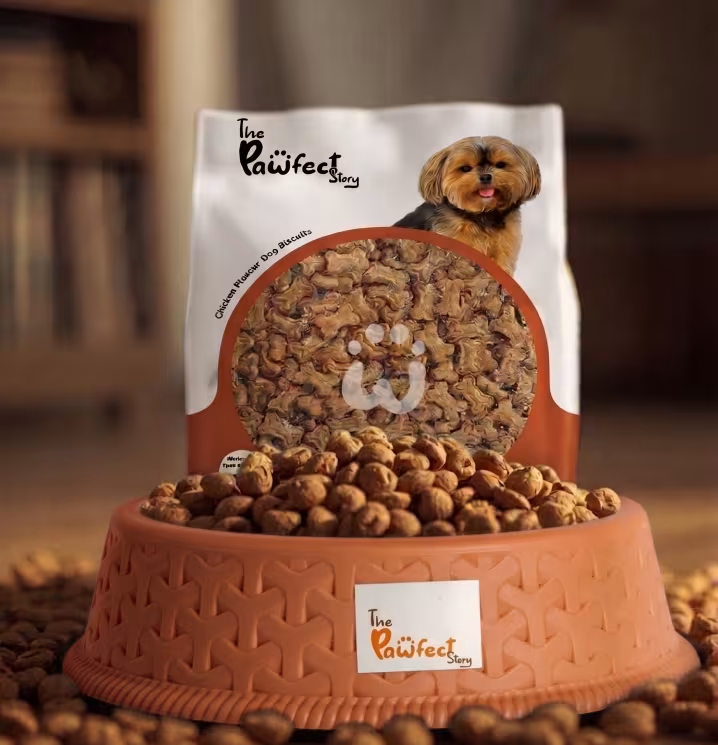
Support their adventurous spirit with protein-packed ingredients and precise portions to maintain a lean, healthy weight.
Key Nutritional Needs
- • High-quality protein for lean muscle support and energy
- • Healthy Fats to boost stamina and maintain a thick, healthy coat
- • Omega-3 & Omega-6 to reduce skin inflammation and support coat shine
- • Digestive Fiber to prevent bloating and maintain a strong gut

Feeding Guidelines
Husky Grooming
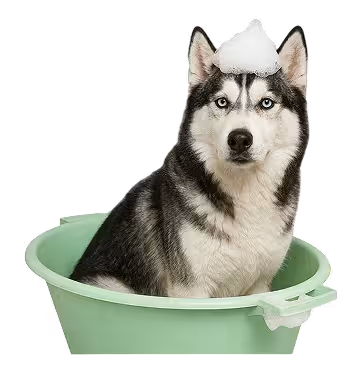
Effortless Grooming, Happy Pup
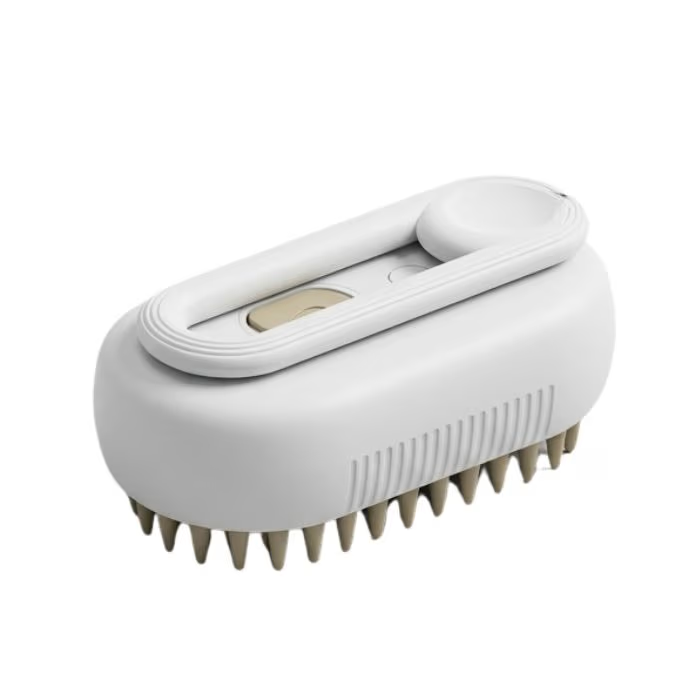
Manage the legendary ‘Husky blow-out’ and keep their thick double coat functional and beautiful with a dedicated deshedding routine.
Fur Care & Grooming
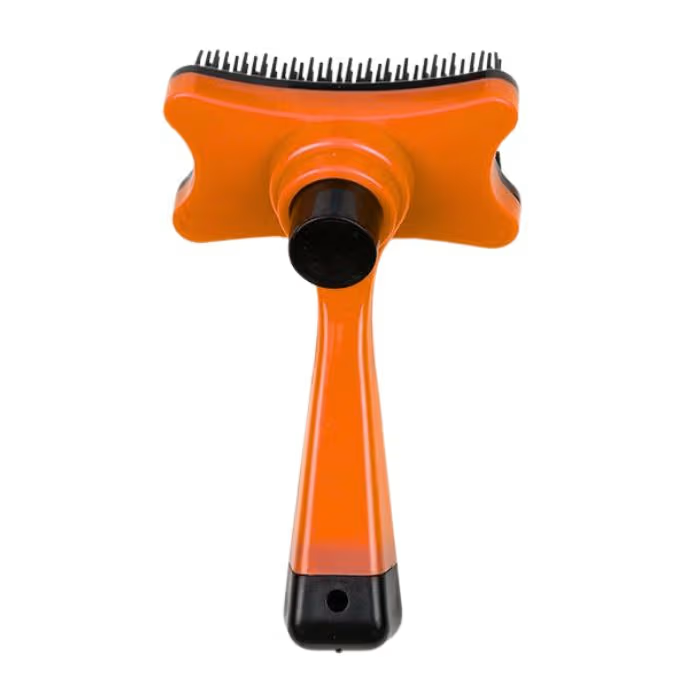
- • Undercoat Maintenance: Weekly brushing is a must, increasing to daily during shedding season to remove loose fur before it hits your floors
- • Natural Oils: Avoid over-bathing, their coat is somewhat self-cleaning and water-resistant. Frequent washing can strip essential oils and irritate their skin
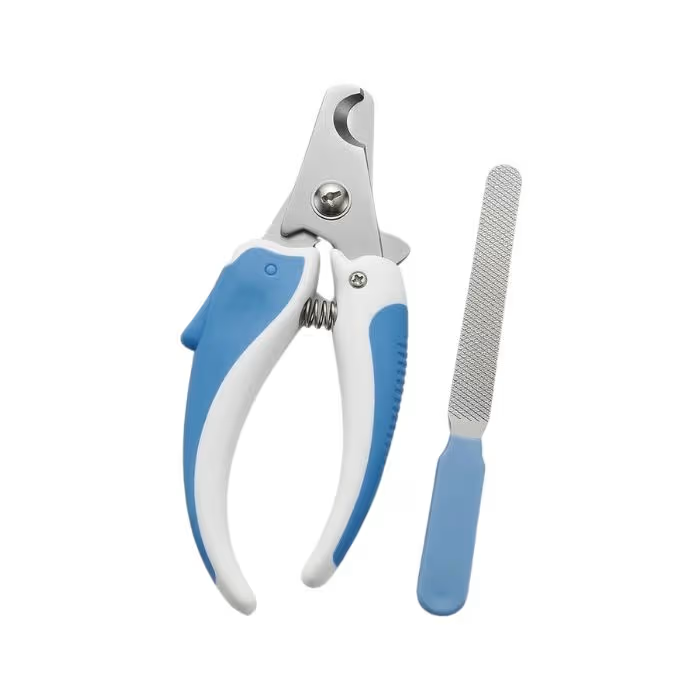
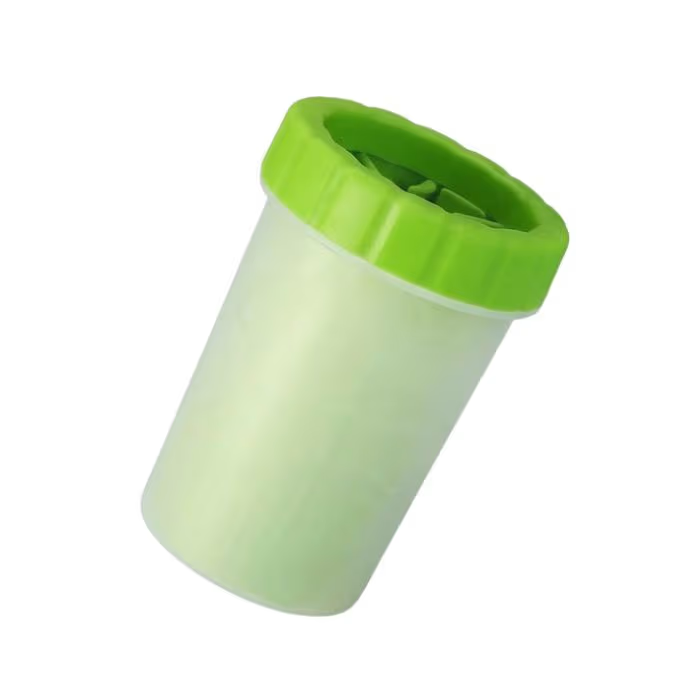
Trim & Hygiene
- • Tough Paw Pads: Check paws regularly for cracks or debris
- • Ear & Dental Health: Keep upright ears clean and dry to prevent infections, paired with sturdy dental chews for strong teeth
Training & Exercise
Training with Treats & Patience
Huskies are independent thinkers with a ‘what's in it for me?’ attitude. Use high-value rewards to keep them focused and motivated.
Skill Building
- • Escape-Proof Engagement: Use long-lead training in secure areas, their high prey drive and wandering spirit require a solid recall foundation
- • Interactive Puzzles: Keep their clever minds busy with heavy-duty treat dispensers to prevent boredom-based ‘interior decorating'
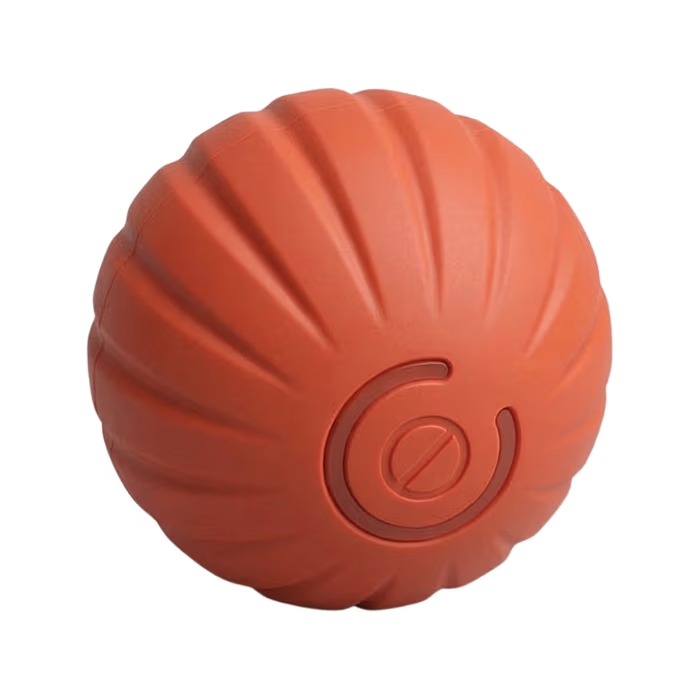

Husky Puppy Care
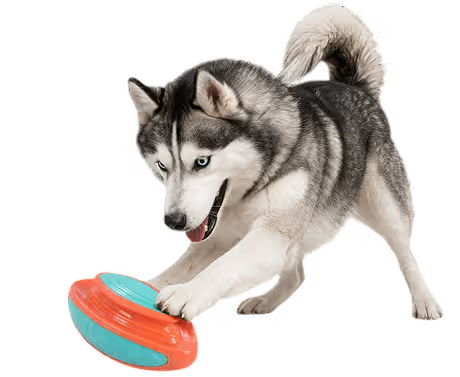
Puppy Care Made Simple
Start with vet visits, vaccinations, and deworming on schedule. Socialise your puppy early with people, sounds, and other animals for a confident, happy dog.
Husky Beginnings
- • Crate training can help with independence and safety
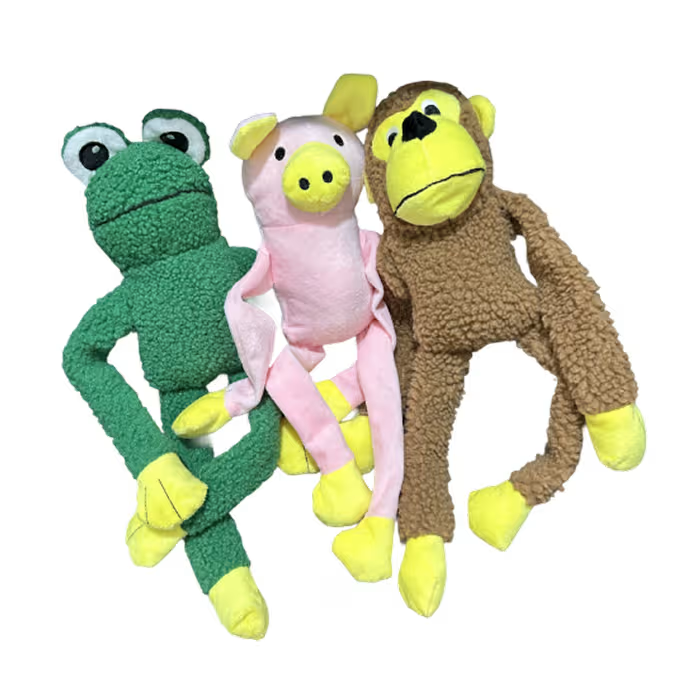
- • Provide chew toys for teething and mental focus
Husky Lifestyle
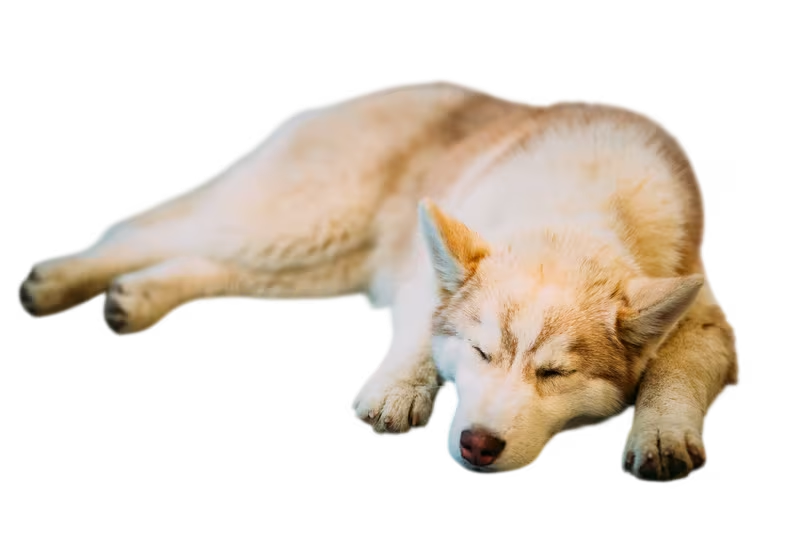
Lifestyle Full of Play & Purpose
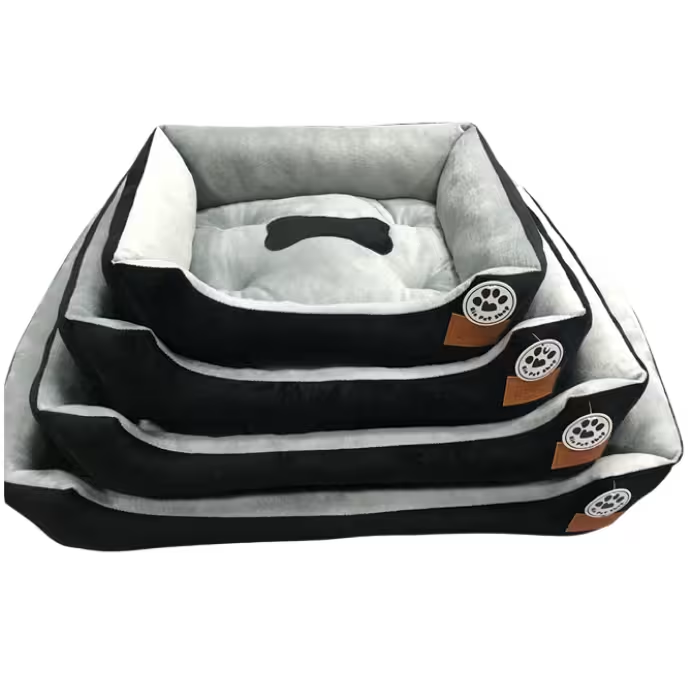
Create a home environment that respects their pack mentality and their need for a cool, secure space to chill after a long day.
Husky Comfort
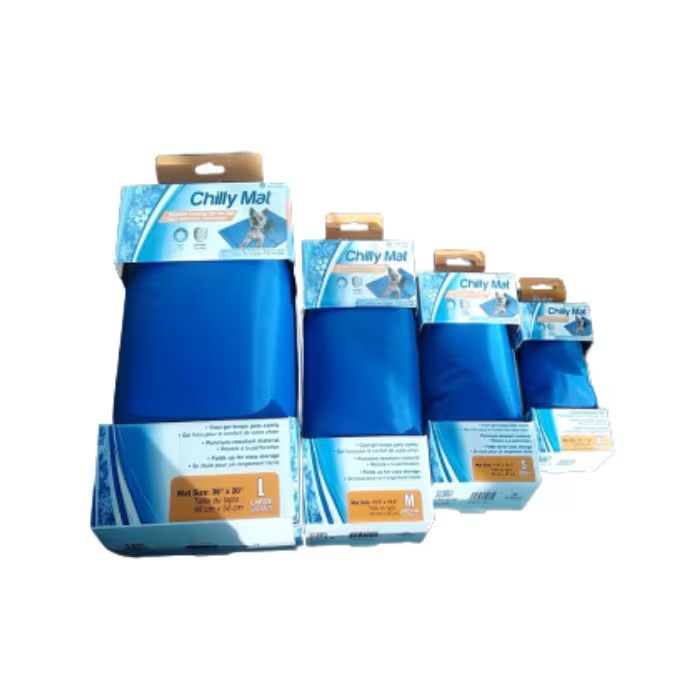
- • Provide cooling mats and plenty of shade. Their thick coats make them prone to overheating in temperatures that feel mild to humans
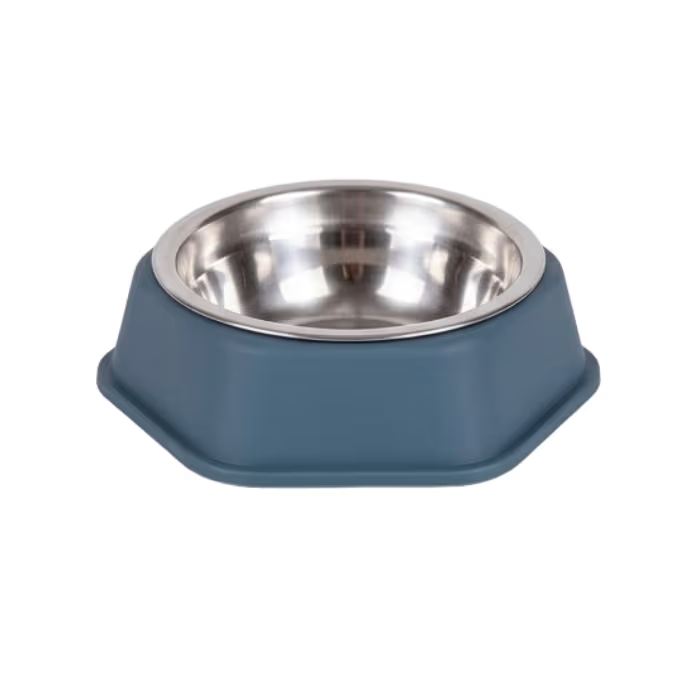
- • Large, tip-proof water bowls are essential to keep these active dogs hydrated throughout the day
Fun Trivia: Did You Know?
- 🐾Huskies can have parti-colored eyes. This means a single eye can be split into two distinct colors, for example, half blue and half brown.
- 🐾Huskies rarely bark in the traditional sense, instead, they are famous for ‘wooing’ and howling.
- 🐾Despite their wolf-like appearance, huskies are very friendly and affectionate.
Frequently Asked Questions
1. Do Huskies need a lot of exercise?+
Yes, they are high-energy working dogs that require at least 1 to 2 hours of vigorous daily activity to prevent boredom and destructive behaviour.
2. Are they easy to train?+
They are highly intelligent but notoriously independent and stubborn, often requiring firm, consistent training and plenty of patience.
3. How much do they shed?+
Huskies shed year-round and ‘blow’ their entire undercoat twice a year, necessitating frequent brushing to manage the heavy volume of fur.
4. Can they live in warm climates?+
While they prefer the cold, they can adapt to warmer areas as long as they have constant access to air conditioning, shade and plenty of fresh water.