Dog Breed
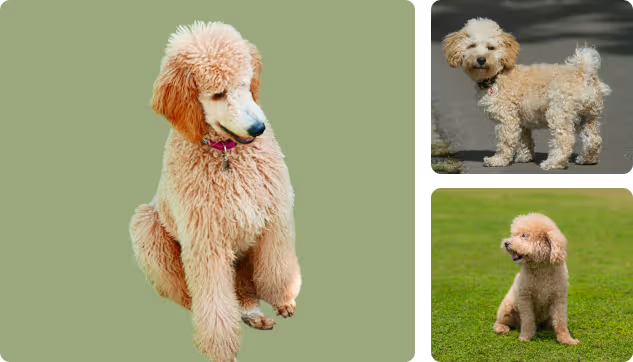
Poodle

Size
ToyShedding
MinimalLife Expectancy
10–18 yearsCoat Type
Dense, curly, hypoallergenicTemperament
Intelligent, alert, friendlyWeight
4–6 pounds (1.8–2.7 kg)Height
Up to 10 inches at the shoulderSuitable For
Families, singles, apartment living
IntelligentAgileConfident
Poodle Nutrition
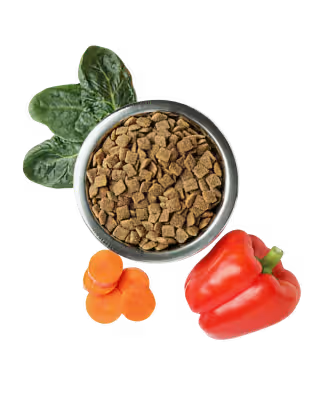
Pawfect Nutrition for Active Pups
Support their adventurous spirit with protein-packed ingredients and precise portions to maintain a lean, healthy weight.
Key Nutritional Needs
- • Poodles are highly intelligent and athletic
- • They require a balanced diet rich in high-quality proteins to support their lean muscle mass
- • It is best to provide smaller, frequent meals rather than one large one
- • Include healthy fats like Omega-3 fatty acids to keep their distinct curly coat vibrant
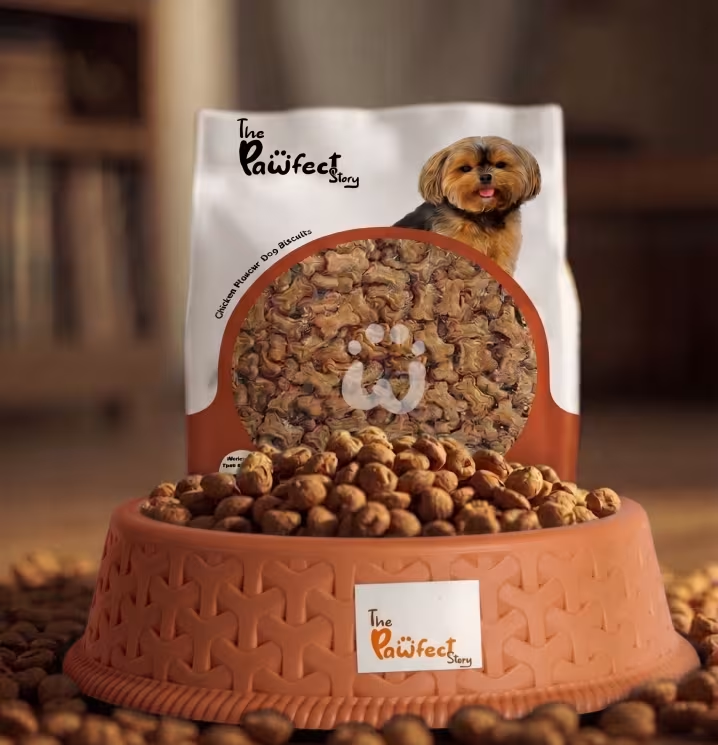

Feeding Guidelines
Poodle Grooming
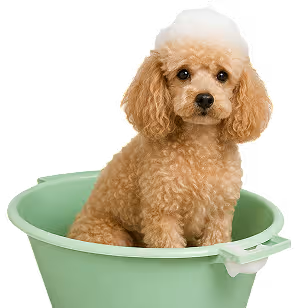
Effortless Grooming, Happy Pup
Regular brushing is essential for Poodles to manage their non-shedding, curly coats and prevent painful matting near the skin.
Fur Care & Grooming
- • Daily brushing is required to remove loose hair that gets caught in the curls
- • Professional grooming every 4 to 6 weeks is necessary to maintain a manageable clip
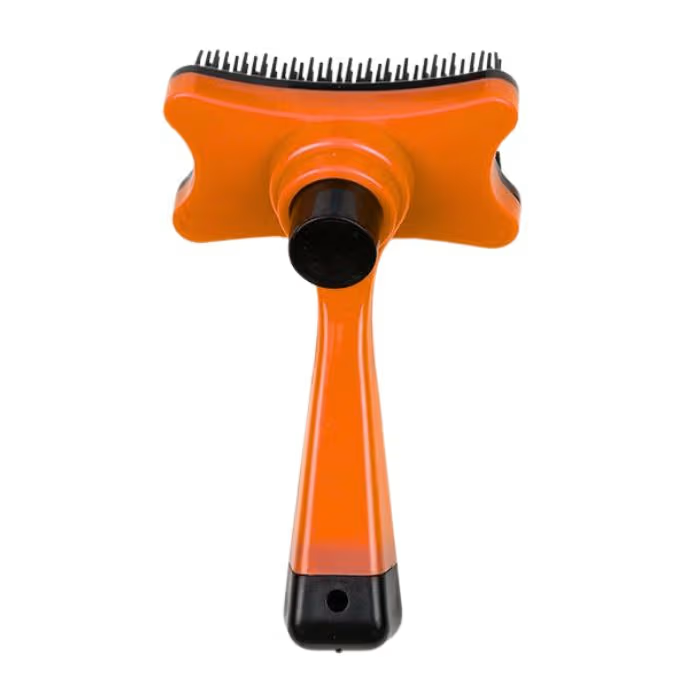
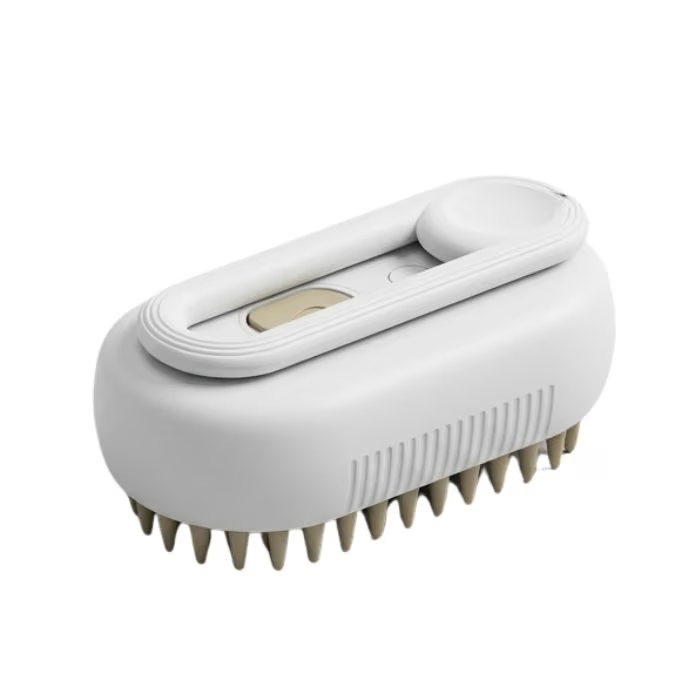
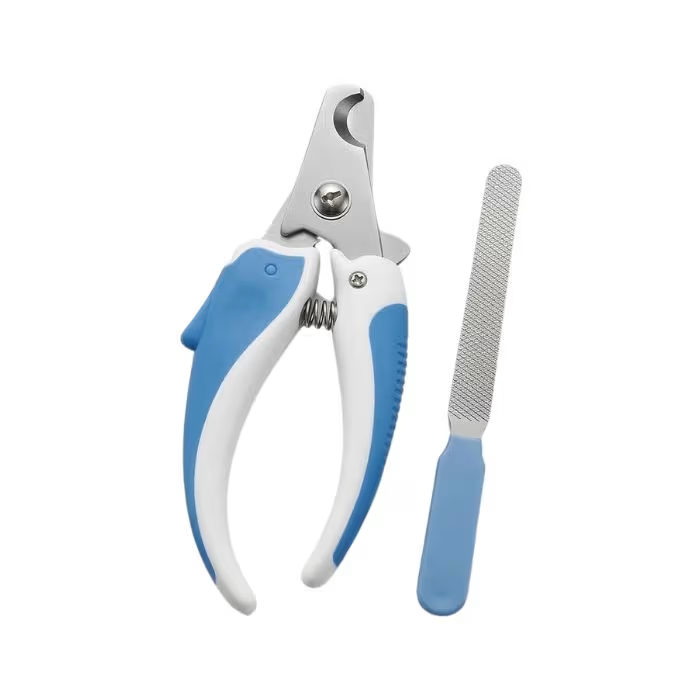
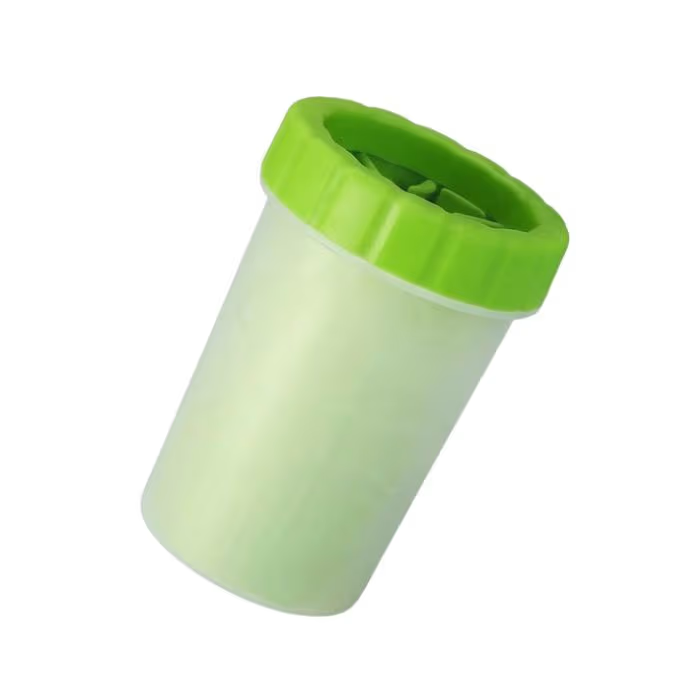
Trim & Hygiene
- • Keep them clean and dry after any water activities
- • Regularly trim the hair between their paw pads to prevent debris from getting trapped
Training & Exercise

Training with Treats & Patience
Poodles consistently rank as one of the most intelligent dog breeds, meaning they need a job to do to remain happy and well-behaved.
Skill Building
- • Engage them with advanced obedience, agility training or scent work
- • Brain games and interactive puzzles to challenge their problem-solving abilities
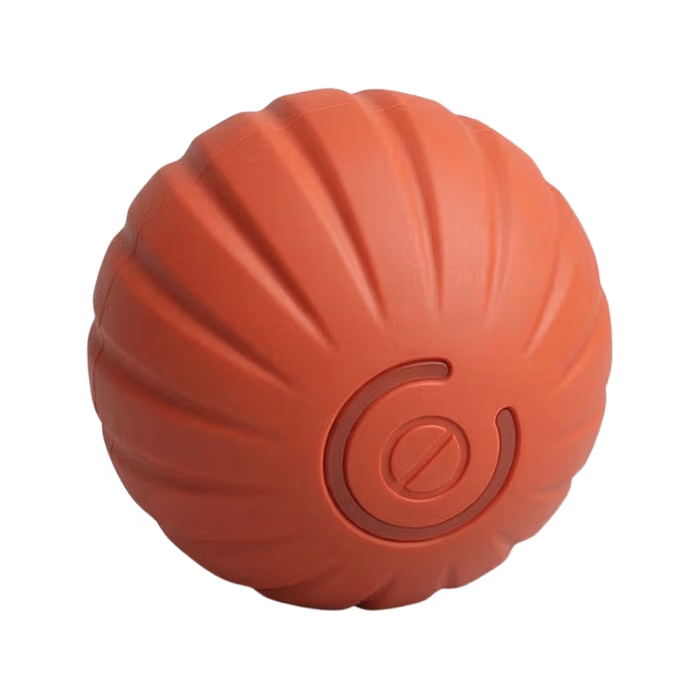

Poodle Puppy Care
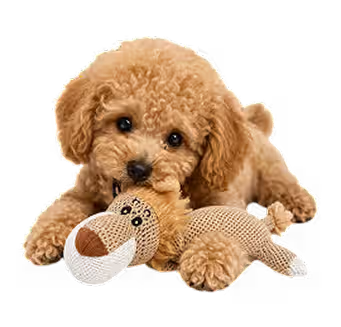
Puppy Care Made Simple
Start with vet visits, vaccinations, and deworming on schedule. Socialise your puppy early with people, sounds, and other animals for a confident, happy dog.
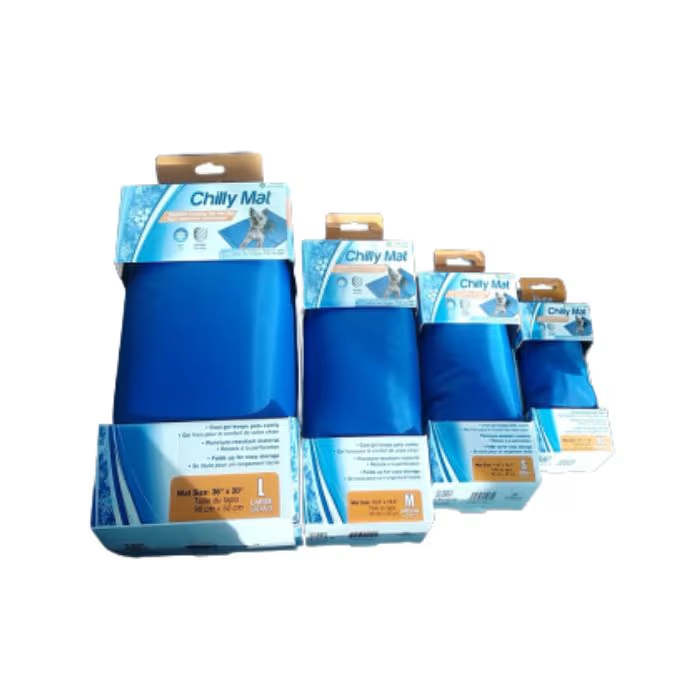
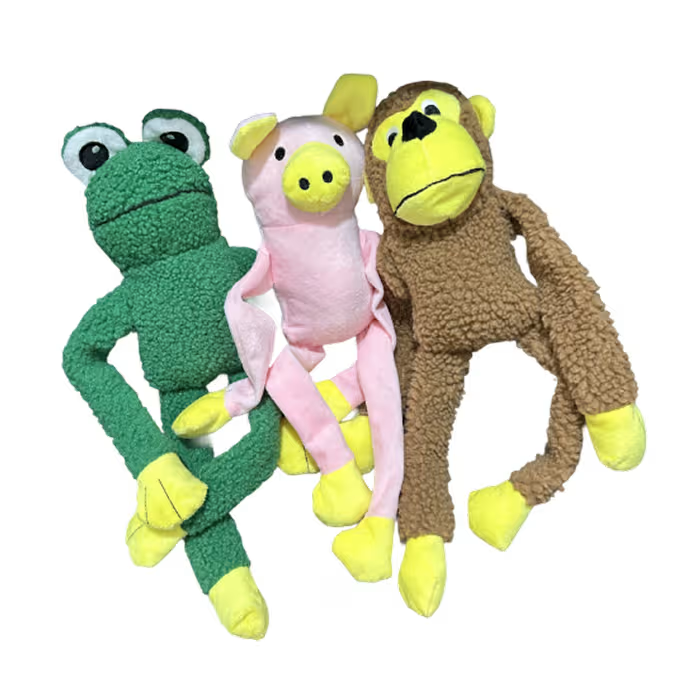
Poodle Beginnings
- • Poodle-proof your space by securing small objects they might swallow
- • Start a grooming desensitization routine early
Poodle Lifestyle
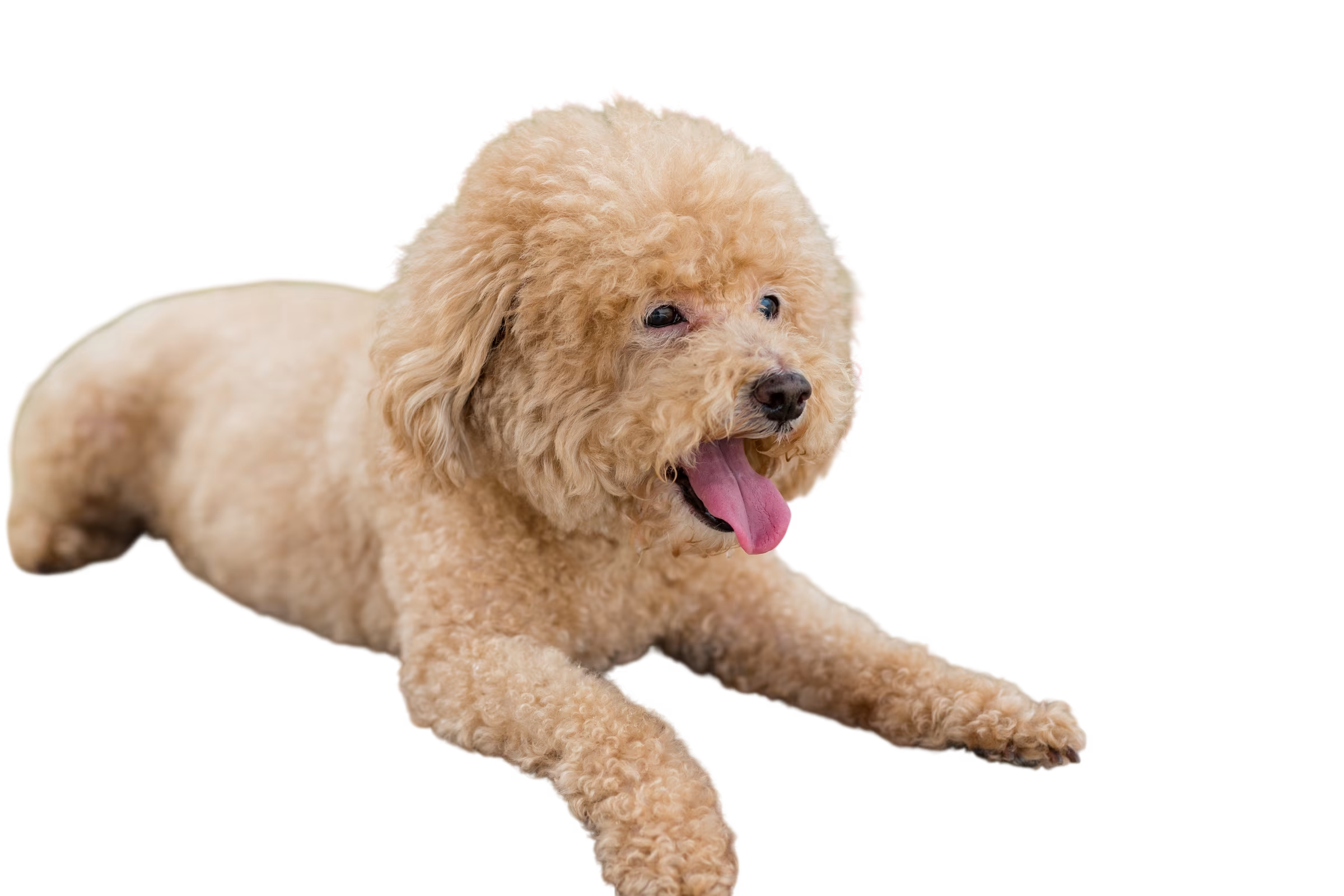
Lifestyle Full of Play & Purpose
Poodles are incredibly social and bond deeply with their families. Their versatile nature makes them great companions for both city apartment living and active suburban life.
Poodle Comfort
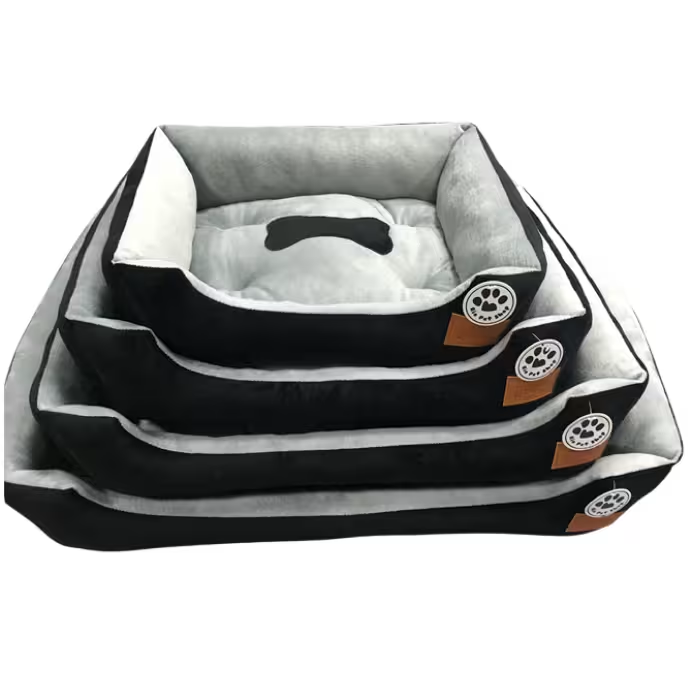
- • Ensure your Poodle has a supportive, high-quality bed, as they can be prone to joint issues
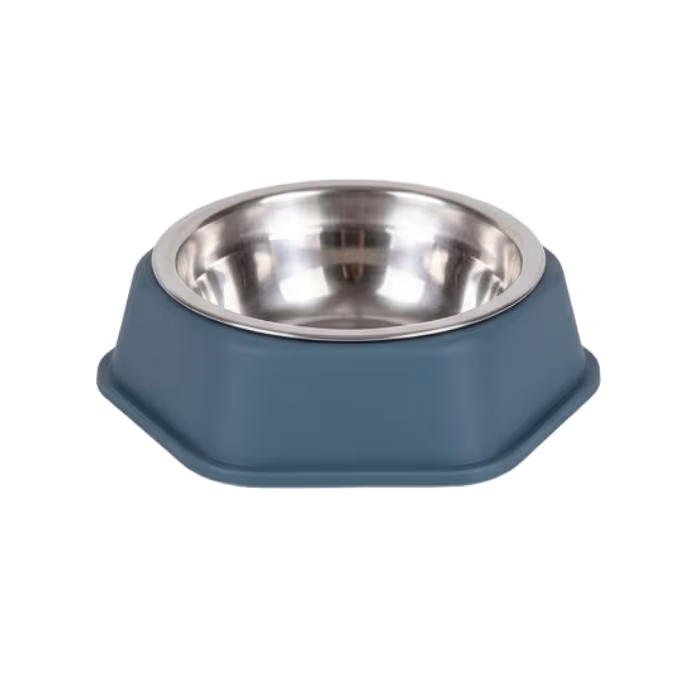
- • Durable, elevated, non-slip bowls are recommended to improve feeding posture and prevent sliding
Fun Trivia: Did You Know?
- 🐾Poodles are ranked as the second-most intelligent dog breed, surpassed only by the Border Collie.
- 🐾Their iconic ‘Poodle Clips’ were originally functional, designed to keep their joints and organs warm in cold water while allowing for easier swimming.
- 🐾Despite being the national dog of France, Poodles actually originated in Germany as duck-hunting water retrievers.
Frequently Asked Questions
1. Do Poodles shed much? +
No, they are a low-shedding breed with a hypoallergenic coat, though they require regular professional grooming to prevent matting.
2. Are Poodles easy to train? +
Yes, they are exceptionally intelligent and highly motivated by praise, making them one of the most trainable breeds in the world.
3. Do they need a lot of exercise?+
Yes, Poodles are active, athletic dogs that require daily walks and mental stimulation to keep them happy and well-behaved.
4. What is the average lifespan of a Poodle?+
Depending on the size (Toy, Miniature or Standard), they typically live between 12 to 15 years, with smaller varieties often reaching the upper end of that range.