Dog Breed
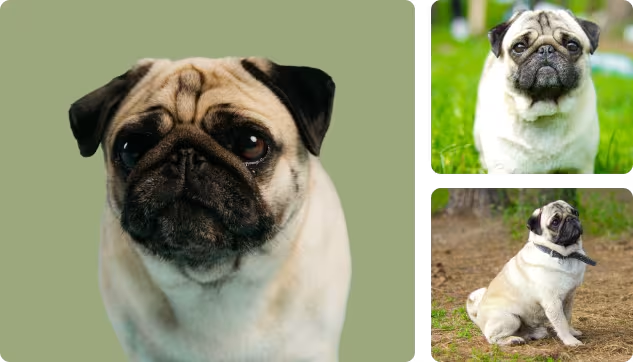
Pug

Size
SmallShedding
Low to moderateLife Expectancy
13–15 yearsCoat Type
Short, smooth, double coatTemperament
Loving, playful, sociableWeight
Male & Female: 6.3–8.1 kgWeather Tolerance
10°C to 28°C (sensitive to heat)Suitable For
Families, singles, apartment living
CharmingLovingMischievous
Pug Nutrition
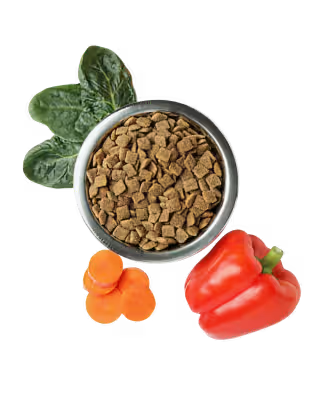
Pawfect Nutrition for Active Pups
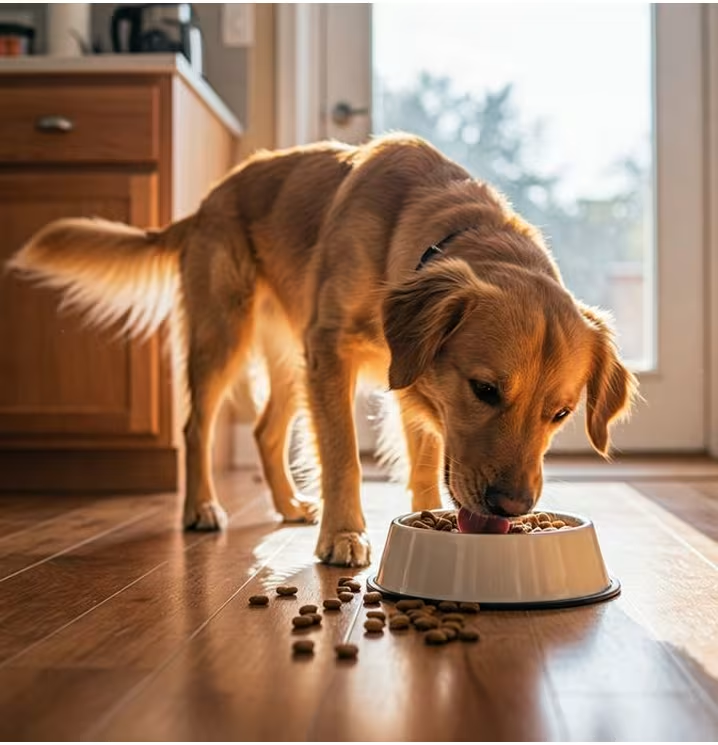
Support their adventurous spirit with protein-packed ingredients and precise portions to maintain a lean, healthy weight.
Key Nutritional Needs
- • Pugs are prone to obesity so their diet must be carefully managed
- • Focus on high-quality, lean proteins and complex carbohydrates
- • Include Omega-3 fatty acids to support their skin health
- • Antioxidants and vitamins to support the immune system and vision
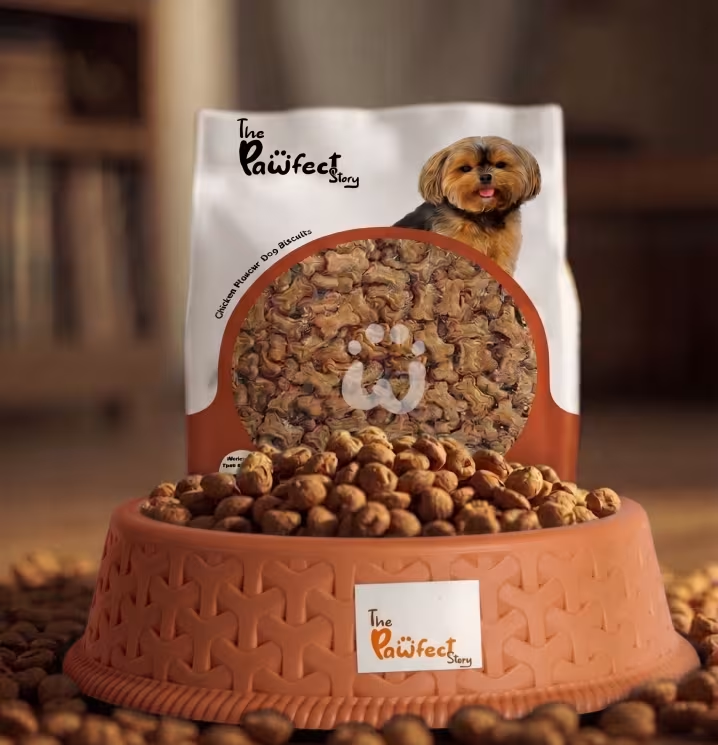
Feeding Guidelines
Pug Grooming
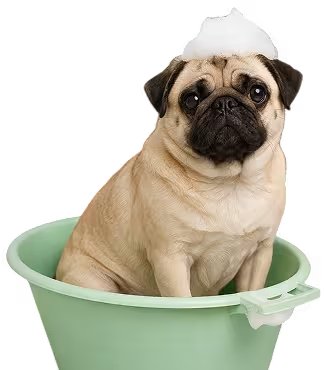
Effortless Grooming, Happy Pup
Regular brushing is essential for Pugs to manage their significant shedding and keep their dense, short coat healthy and clean.
Fur Care & Grooming
Despite their short hair, pugs shed significantly throughout the year.
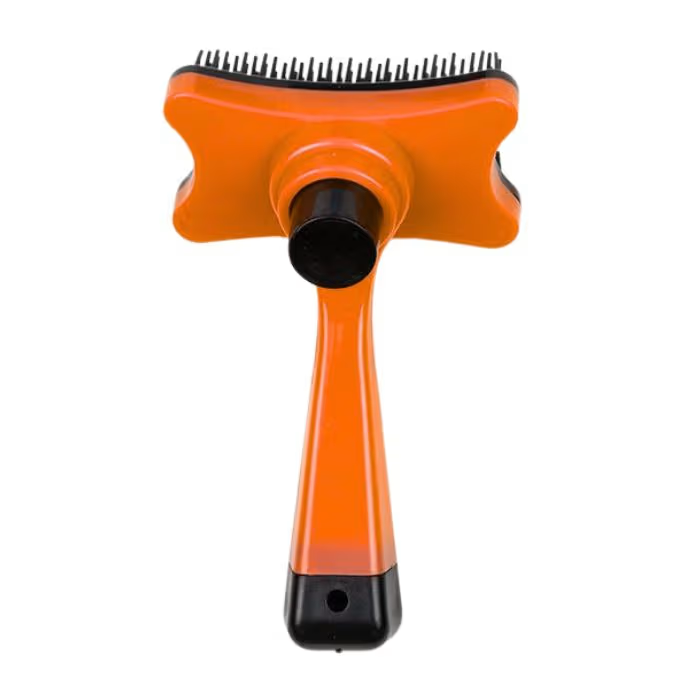
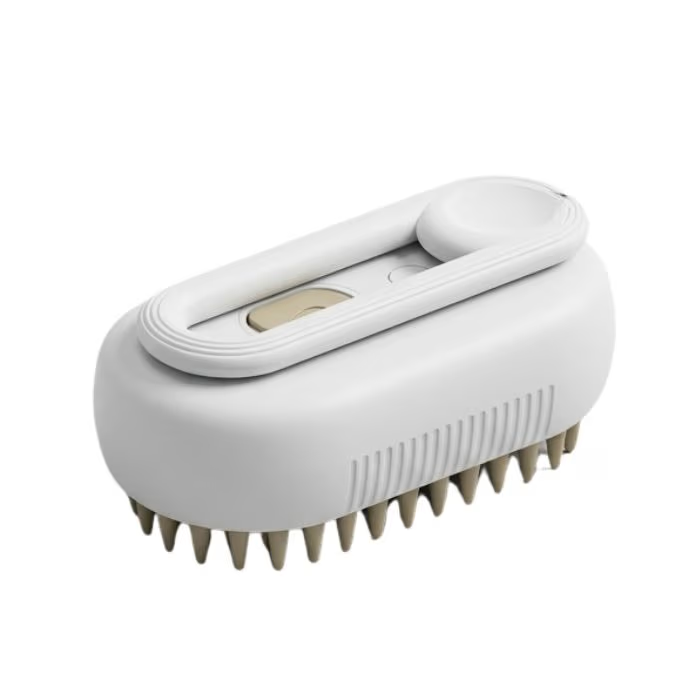
- • Use a medium-bristle brush or a rubber grooming mitt twice a week to remove loose fur
- • Frequent brushing helps distribute natural oils and keep the coat glossy
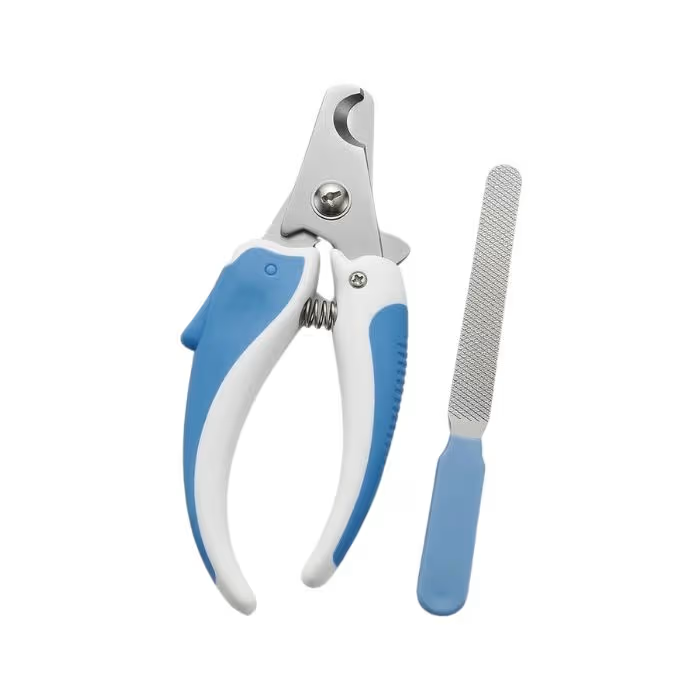
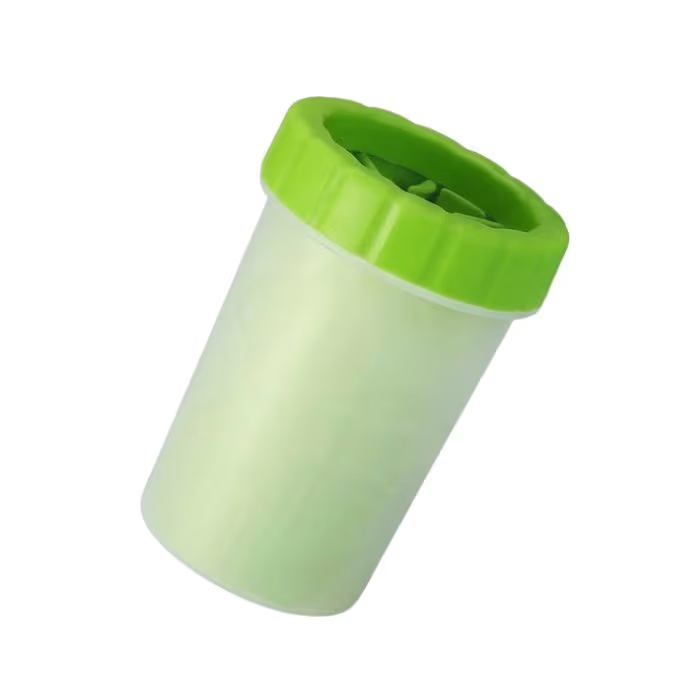
Trim & Hygiene
- • Daily cleaning of the facial wrinkles and skin folds with a damp cloth or unscented pet wipe is vital to prevent moisture buildup and infections
- • Keep their ears clean and monitor their nails closely as Pugs can be less active than other breeds, leading to slower natural nail wear
Training & Exercise
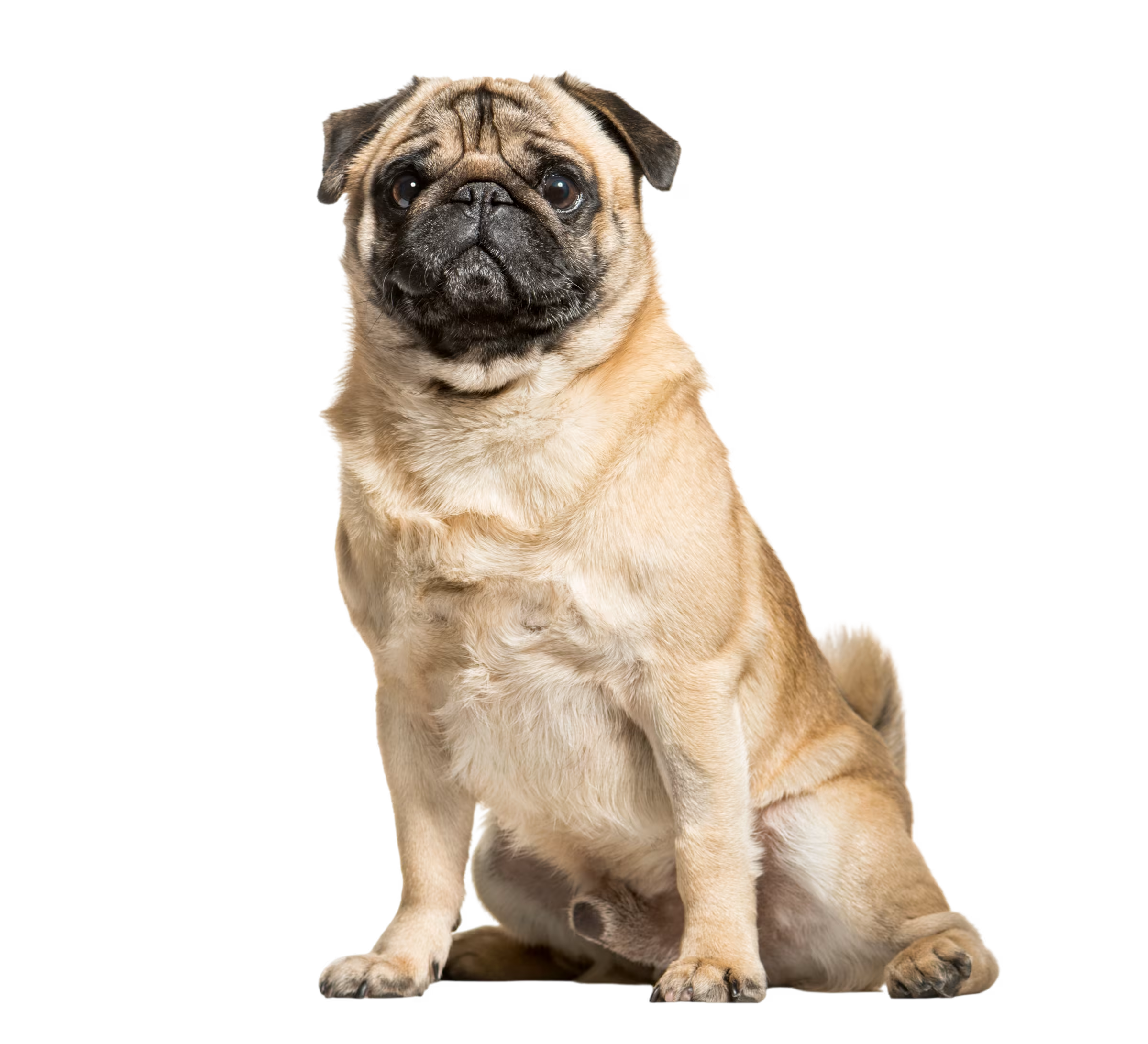
Training with Treats & Patience
Pugs are flat-faced, meaning they can overheat quickly. Focus on low-impact activities that keep them moving without causing respiratory distress, especially in humid or hot weather.
Skill Building
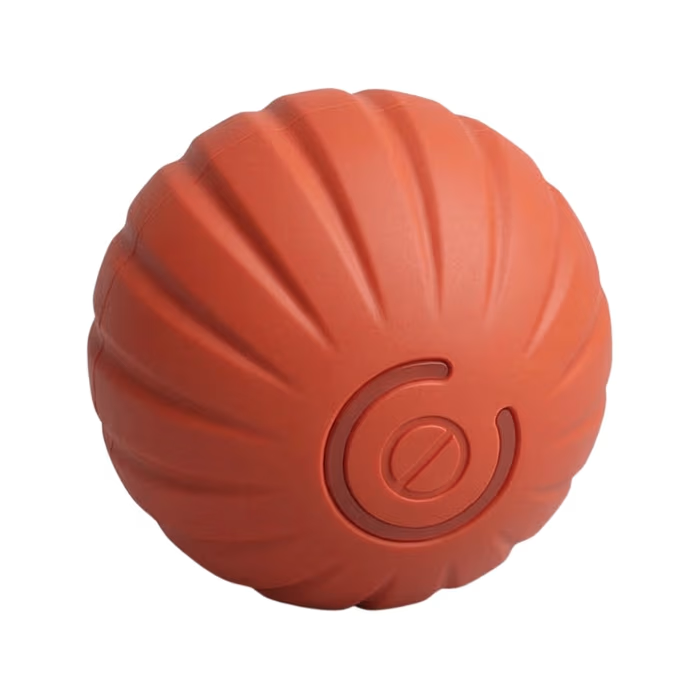
- • Use puzzle feeders and hide-and-seek games to keep their sharp minds busy
- • Training sessions should be kept short and fun to accommodate their charming personality
Pug Puppy Care
Puppy Care Made Simple
Start with vet visits, vaccinations, and deworming on schedule. Socialise your puppy early with people, sounds, and other animals for a confident, happy dog.
Pug Beginnings
- • Focus on establishing a consistent feeding and potty schedule immediately to help your puppy feel secure and manage their house-training more effectively
Pug Lifestyle
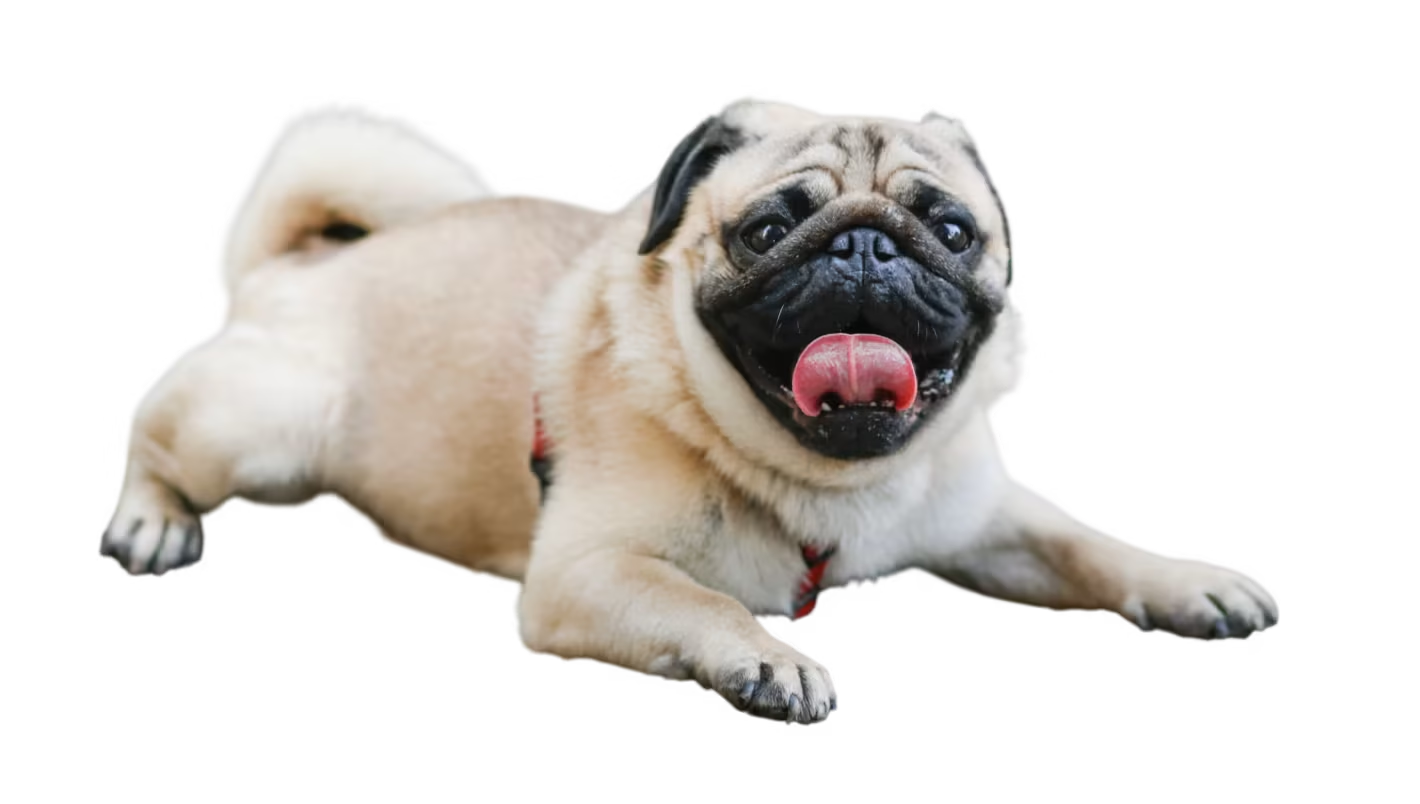
Lifestyle Full of Play & Purpose
The Pug is the ultimate companion dog, thriving on human interaction. They are well-suited for apartment living but require a family that integrates them into daily life.
Pug Comfort
- • Ensure they have a cool, well-ventilated space in the summer and a cozy sweater for winter walks
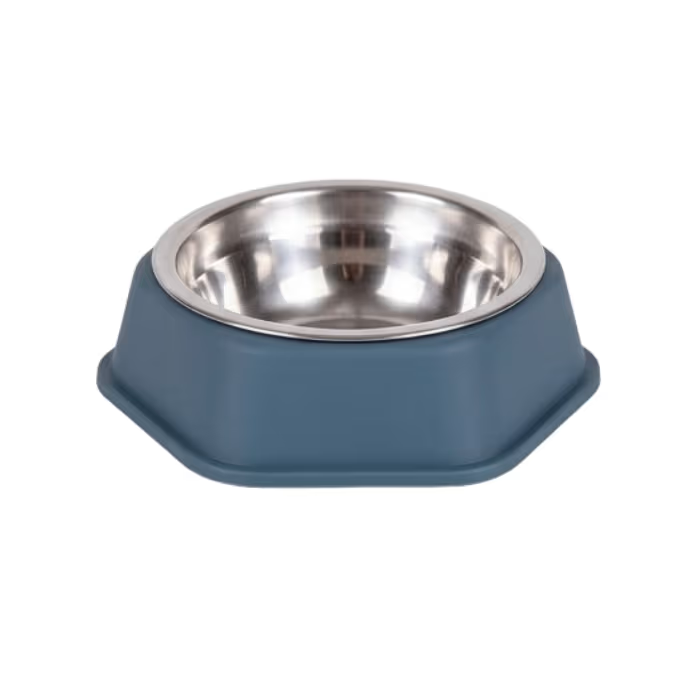
- • Invest in shallow food and water bowls designed for flat-faced breeds
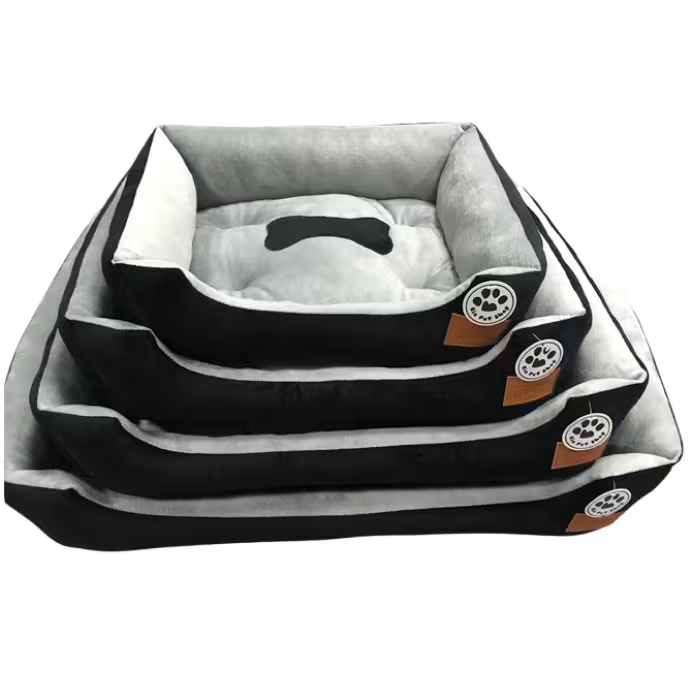
- • A supportive orthopedic bed is a great addition to help protect their joints as they age
Fun Trivia: Did You Know?
- 🐾Pugs were held in such high esteem that they often had their own miniature palaces and personal guards to protect them.
- 🐾Chinese emperors during the Shang Dynasty preferred Pugs with forehead wrinkles that resembled the Chinese character for ‘Prince.
- 🐾The Pug became an overnight sensation in India thanks to the Hutch and later Vodafone campaigns starting in the early 2000s.
Frequently Asked Questions
1. How much exercise do they need? +
Pugs require moderate daily activity, such as two short walks or indoor play sessions, to prevent obesity.
2. Are they easy to train? +
They are intelligent but can be stubborn, so use positive reinforcement and plenty of small treats.
3. Do they shed a lot? +
Yes, pugs are heavy shedders year-round and benefit from frequent brushing to manage the hair.
4. What is their average lifespan? +
A healthy Pug typically lives between 12 to 15 years.